





WONDERLAB Makes Its First Appearance at the Chinese Medical Association’s National Digestive Diseases Academic Conference, Discussing New Advances with Experts
2024-09-19
The 24th National Digestive Diseases Academic Conference of the Chinese Medical Association, organized by the Chinese Medical Association and its Chinese Society of Gastroenterology and hosted by the Liaoning Medical Association and the General Hospital of the Northern Theater Command, opened in Shenyang on September 19. The conference was described as one of China’s most important annual academic events for clinical and basic research in gastroenterology, as well as the Chinese Society of Gastroenterology’s sole nationwide academic event in 2024 covering all gastroenterology subspecialties.
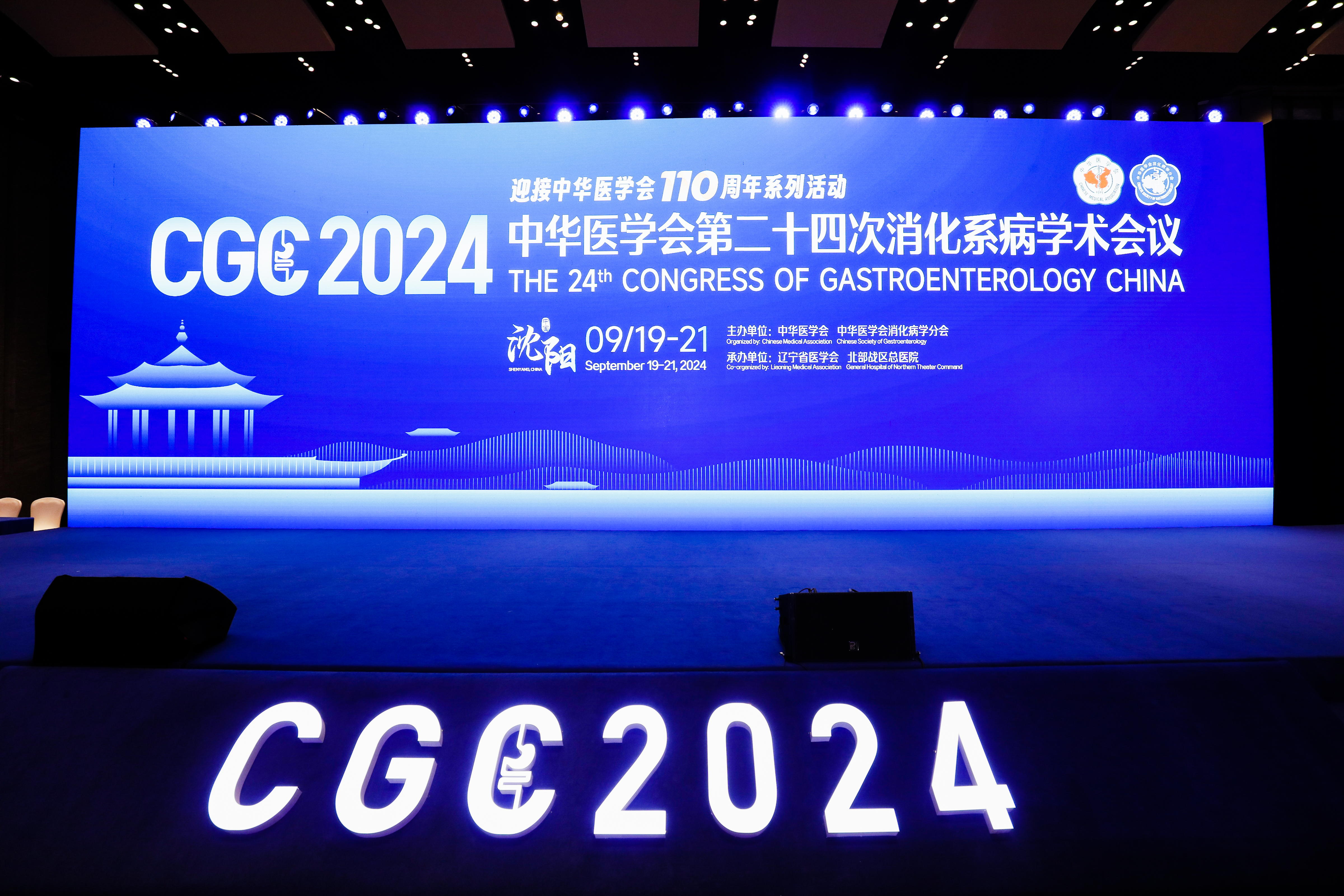 Image 1. The 24th National Digestive Diseases Academic Conference of the Chinese Medical Association
As a company focused on probiotic research, WONDERLAB appeared at the conference and joined digestive-disease experts from China in discussing current topics in gastroenterology. WONDERLAB also set up a booth at the venue, where it exchanged ideas with participating experts, scholars and industry professionals.
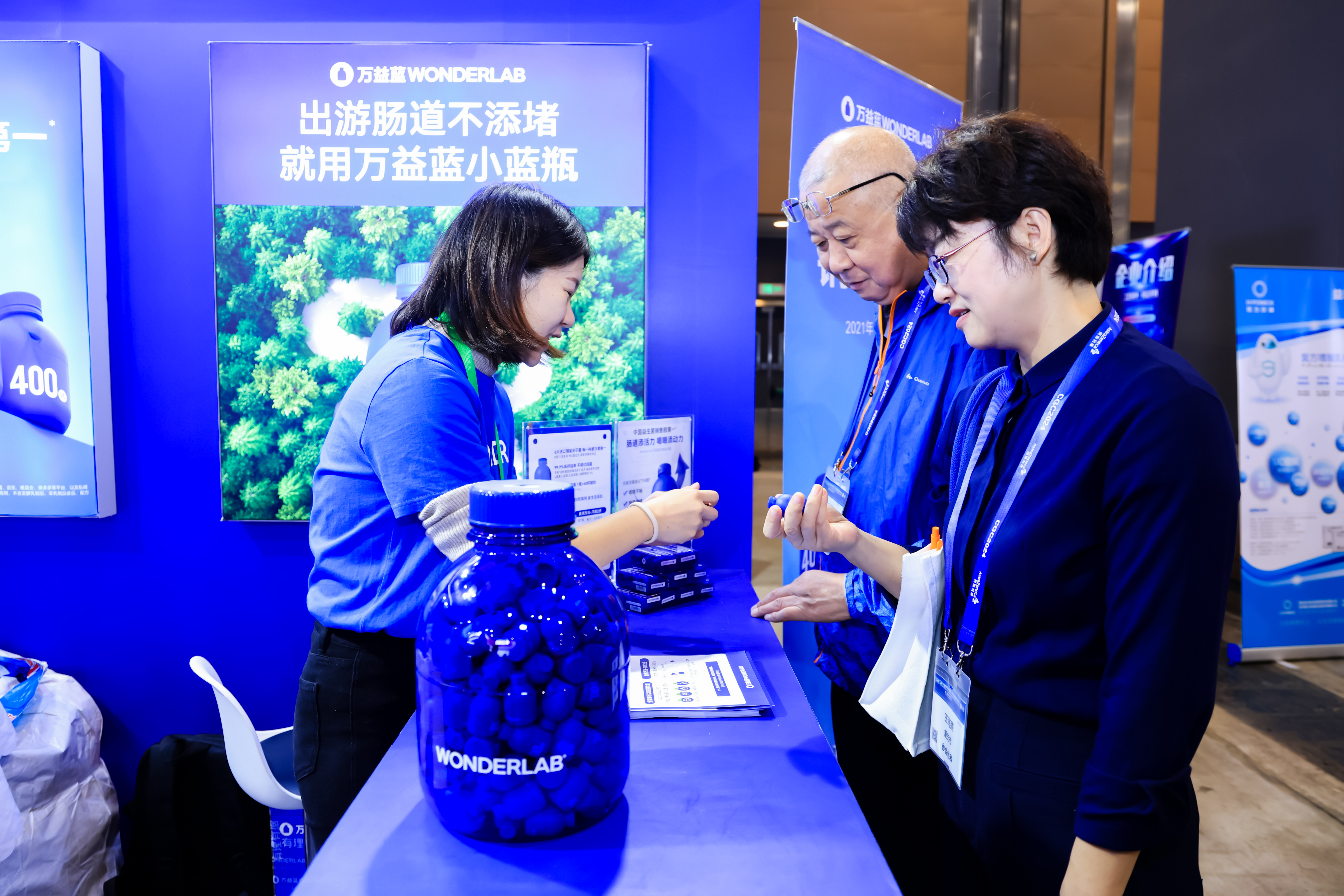
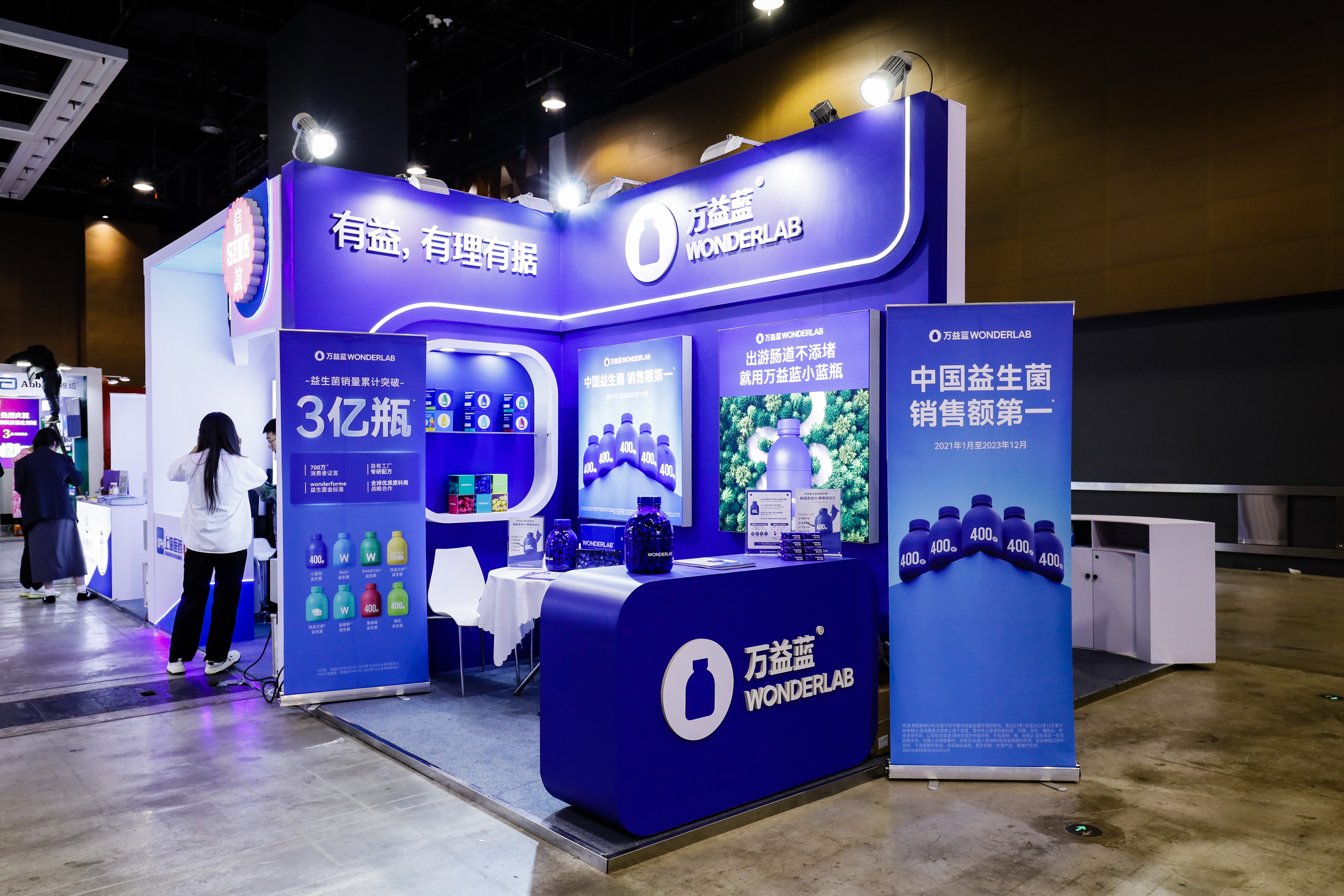 Image 2. The WONDERLAB booth
Professor Yu-Qiang Nie, Deputy Director of the Guangzhou Digestive Disease Center, was invited to deliver the opening remarks at the digestive-disease session. He said: “The gut microbiota and its metabolites are closely associated with the development of digestive, metabolic and immune diseases. As important components of the gut microbiota, probiotics may open new avenues for research into disease prevention when their functions and mechanisms are clearly understood.”
At the digestive-disease session, Professor Yinglian Xiao, Vice President of the Nansha Campus of the First Affiliated Hospital of Sun Yat-sen University and a professor of gastroenterology, gave a presentation titled “The Gut Microecology and Probiotics.” Professor Xiao described three key strategies for regulating the gut microbiota: fecal microbiota transplantation, supplementation with probiotics and bioactive products, and dietary adjustment. In the clinical research she presented, *Bifidobacterium lactis* and *Lactobacillus acidophilus* were the core strains used to study their mechanisms of action in the human gut and digestive system. The reported results indicated that appropriately supplementing a combined probiotic containing these strains was associated with improved gut-microbiota balance, greater satisfaction with bowel habits and changes in immune-function measures.
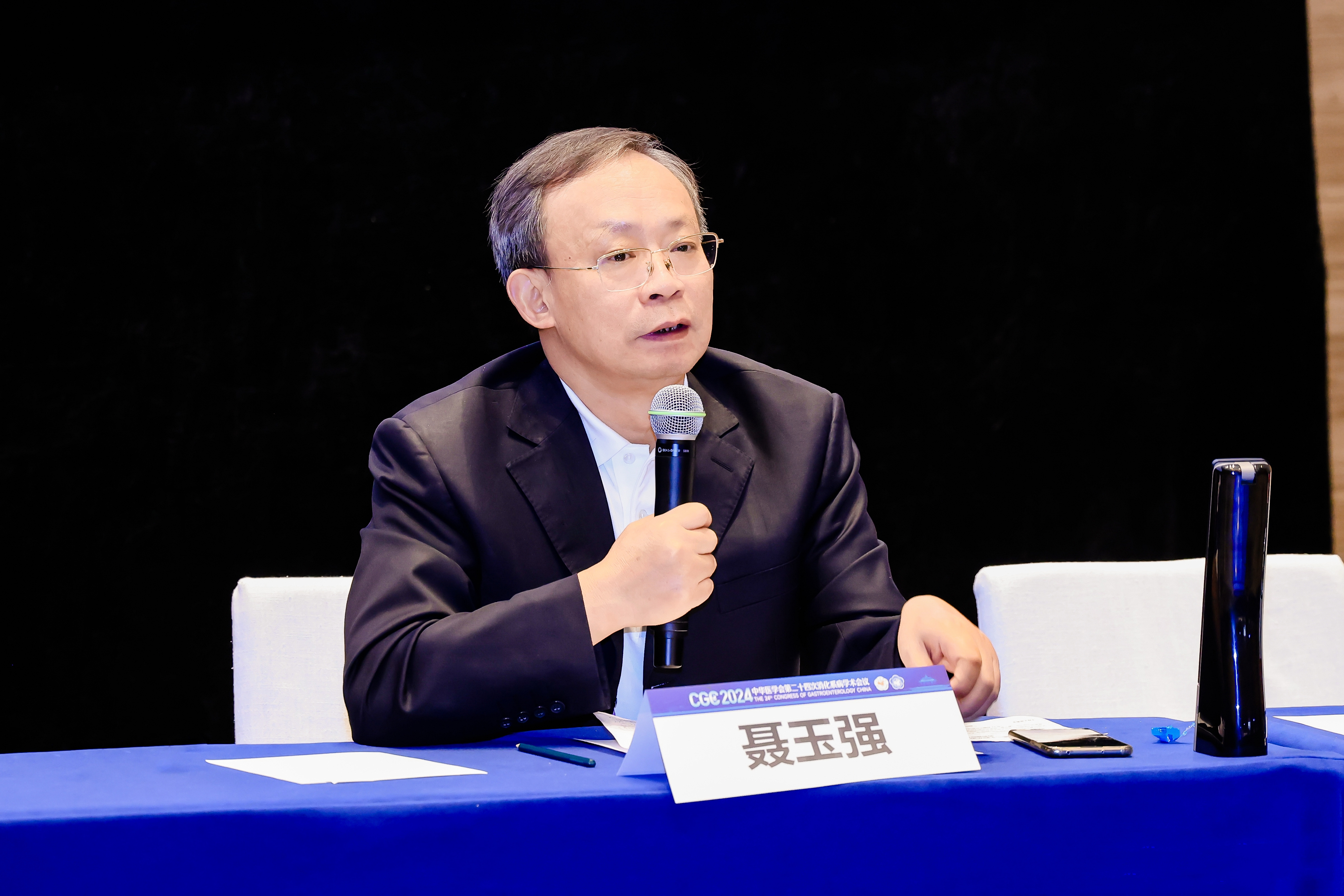 Image 3. Professor Nie Yuqiang delivers the opening remarks
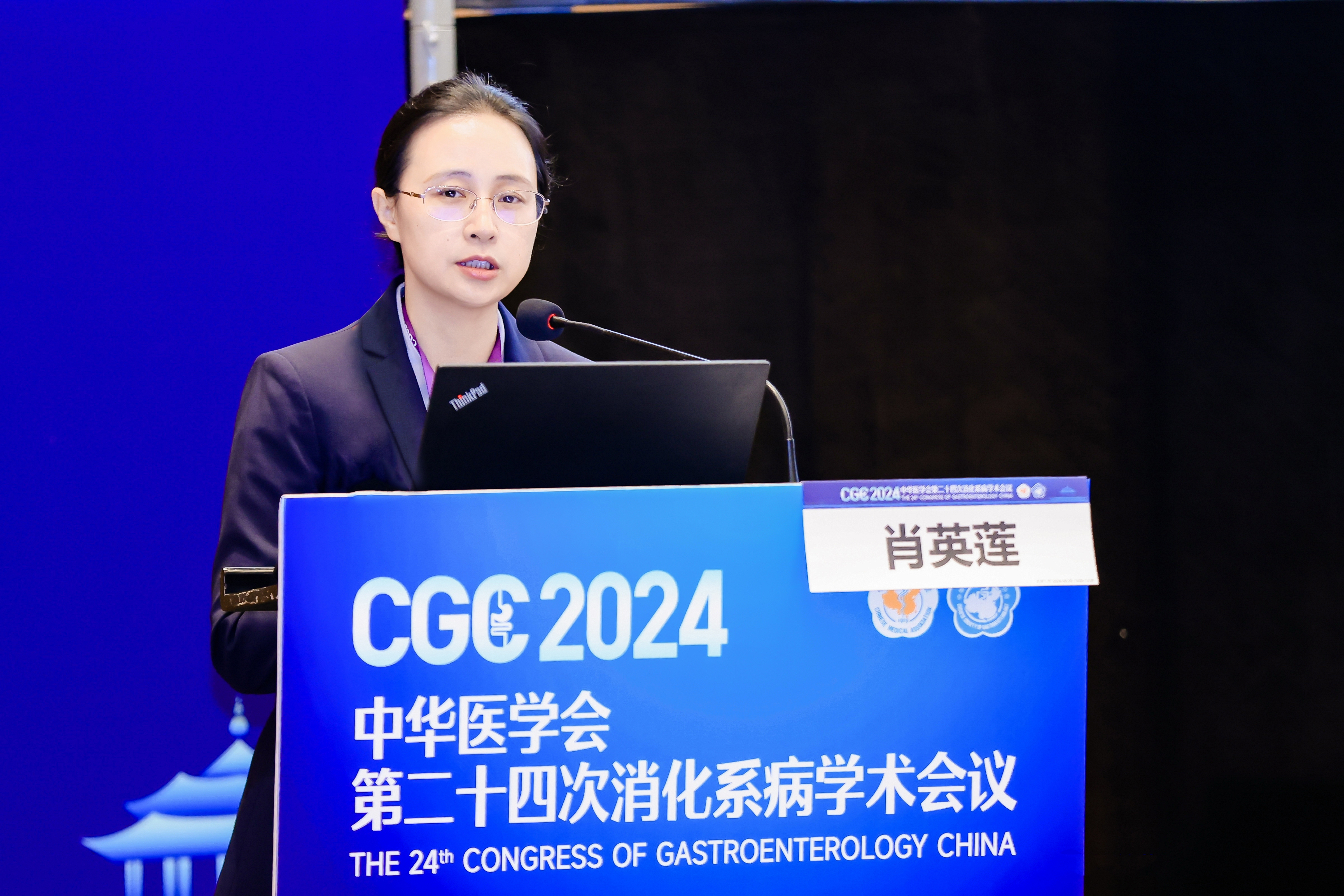 Image 4. Professor Xiao Yinglian gives the keynote presentation
WONDERLAB’s flagship All-in-One Probiotics (“Blue Bottle”) contains 40 billion CFU of live cultures per bottle, including six imported strains such as *Bifidobacterium animalis* subsp. *lactis* and *Lactobacillus acidophilus*. During the human clinical research phase, scientific validation studies examined outcomes related to volunteers’ gut health, immune health and weight management. The reported results indicated that, after four consecutive weeks of use, volunteers showed improvements in gut-health outcomes.
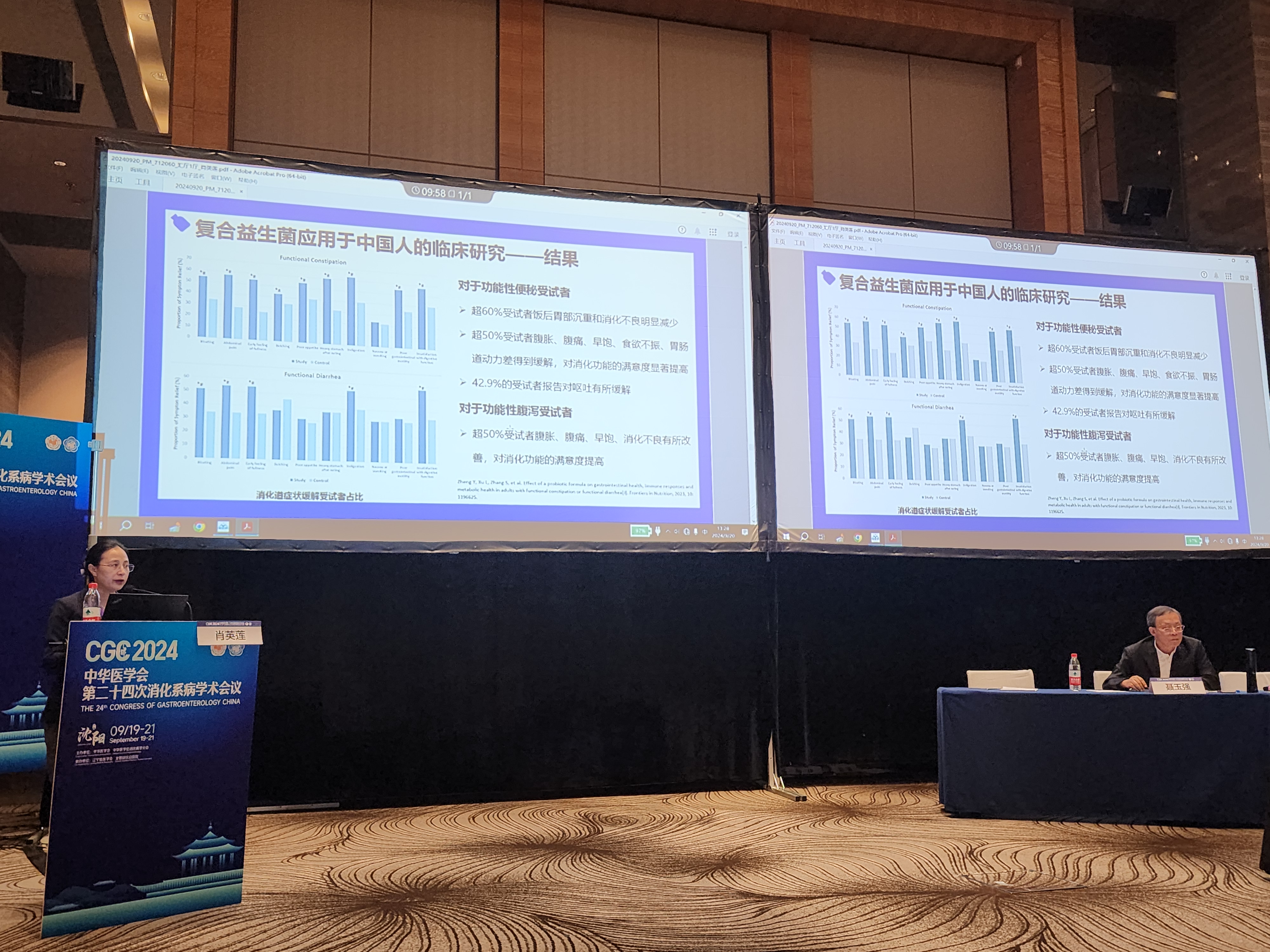 Image 5. The digestive-disease session
Many medical professionals at the event shared their own perspectives on research into probiotics and the gut. Dr. Lei Miao, PhD, of the Department of Gastroenterology at the Second Affiliated Hospital of Wenzhou Medical University, discussed how ordinary consumers can choose a high-quality probiotic product suited to their needs. He said: “The key points are the number of strains added, strain viability and the manufacturing process. High-quality probiotic products should also undergo clinical validation and follow an evidence-based R&D approach. Strains with clinical research behind them, such as *Bifidobacterium animalis* subsp. *lactis*, *Lacticaseibacillus paracasei* and *Lactobacillus acidophilus*, are among the strains consumers may look for when choosing a product.”
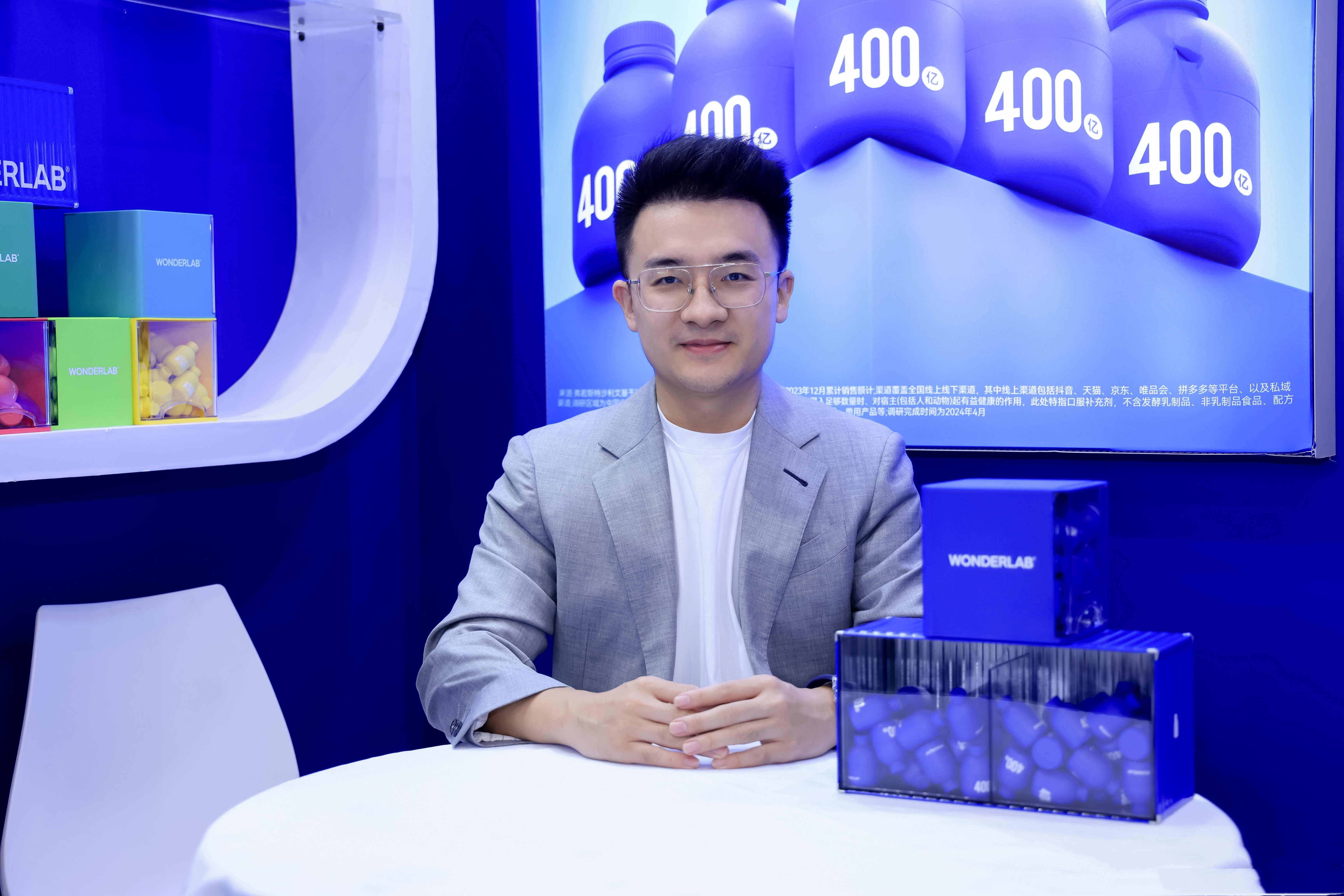 Image 6. Dr. Lei Miao gives an interview
WONDERLAB has consistently followed a science- and evidence-based R&D approach and placed strong emphasis on in-house product development and manufacturing capabilities. As a biotech innovation company specializing in probiotics and other microecology-focused nutritional supplements, WONDERLAB spent five years building an end-to-end probiotic value chain and established an independent, integrated R&D system covering a Micro-ecosystem Research Platform, a Functional Ingredient Research Platform and a Product Development Platform. In September this year, WONDERLAB entered into an industry–university–research partnership with Shenzhen University, and the jointly established “Shenzhen University–WONDERLAB Precision Nutrition Joint Research Institute” officially began operations, supporting innovation and upgrading across the industry.
WONDERLAB’s first appearance at a leading academic conference on digestive diseases in China reflects its commitment to deeper participation in gastroenterology research and to advancing the field of gut health. Going forward, WONDERLAB will continue to focus on science- and evidence-based R&D standards, strengthen cooperation with the medical sector and work with partners to support the healthy development of the probiotic industry.