





WONDERLAB Launches Its “BALANCE” Dual-Carbon Strategy; “Blue Bottle” Probiotics Receive the Industry’s First Carbon Footprint Certificate
2024-12-30
As a leading company in China’s probiotic industry, WONDERLAB is actively responding to China’s dual-carbon goals and taking the lead in promoting a green, low-carbon transition across the industry. On December 27, WONDERLAB held the industry’s first dual-carbon strategy action launch event in Changbai Mountain. At the event, while unveiling its “BALANCE” dual-carbon strategy, WONDERLAB also released carbon-footprint verification reports for two flagship products and issued the industry’s first dual-carbon development initiative together with representatives from institutions, academia, consumer groups and the media. The initiative calls on the entire industry to accelerate carbon-reduction actions and help the industry ecosystem move toward more sustainable development.
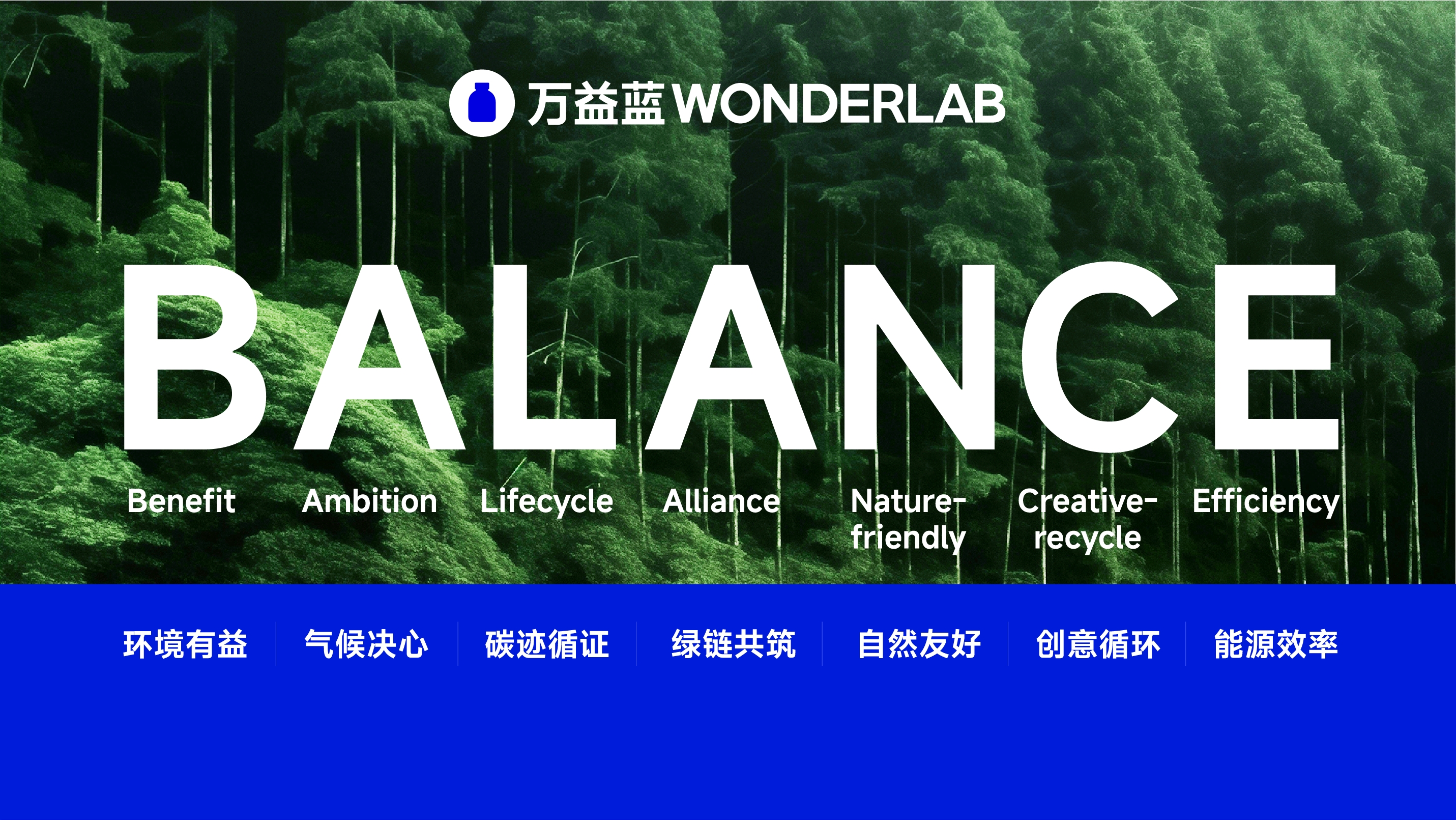 WONDERLAB “BALANCE” Strategic Action Blueprint
Actively Responding to the “3060” Goals and Advancing High-Quality Development Across the Entire Industrial Chain
Against the backdrop of China’s dual-carbon strategy and global competition, WONDERLAB has taken the industry’s “first step” toward dual-carbon action.
At the launch event, WONDERLAB used the four numbers “1, 3, 7 and 10” to summarize its “BALANCE” dual-carbon strategy action plan for the future. One dual-carbon vision and three phased goals will be closely aligned with China’s dual-carbon strategy. The proposal of seven strategies and ten initiatives shows that WONDERLAB will focus on carbon management across the full life cycle, covering multiple dimensions including corporate low-carbon management, green supply-chain development and green packaging optimization. Through coordination across the entire industrial chain, the company aims to advance a green, low-carbon transition across the probiotic industry’s full value chain.
WONDERLAB has consistently pursued innovation and incorporated dual-carbon thinking into its products. At the event, its two flagship products—All-in-One Probiotics (nicknamed “Blue Bottle”) and Probiotics for Kids—received carbon-footprint certificates. The company explained that, in conducting the carbon-footprint verification for the probiotic products, it faced challenges including incomplete relevant domestic databases and a lack of reference benchmarks. WONDERLAB therefore formed a cross-functional team, traced emissions at the source, improved suppliers’ carbon-emissions data, guided and educated suppliers, and introduced an advanced management platform to break down factory carbon-emissions data in detail. These efforts enabled the company to accurately obtain the energy-consumption data for the two products and complete the first product carbon-footprint verification in China’s probiotic industry. The work also laid a solid foundation for identifying further energy-saving and emissions-reduction potential and developing more environmentally friendly product strategies.
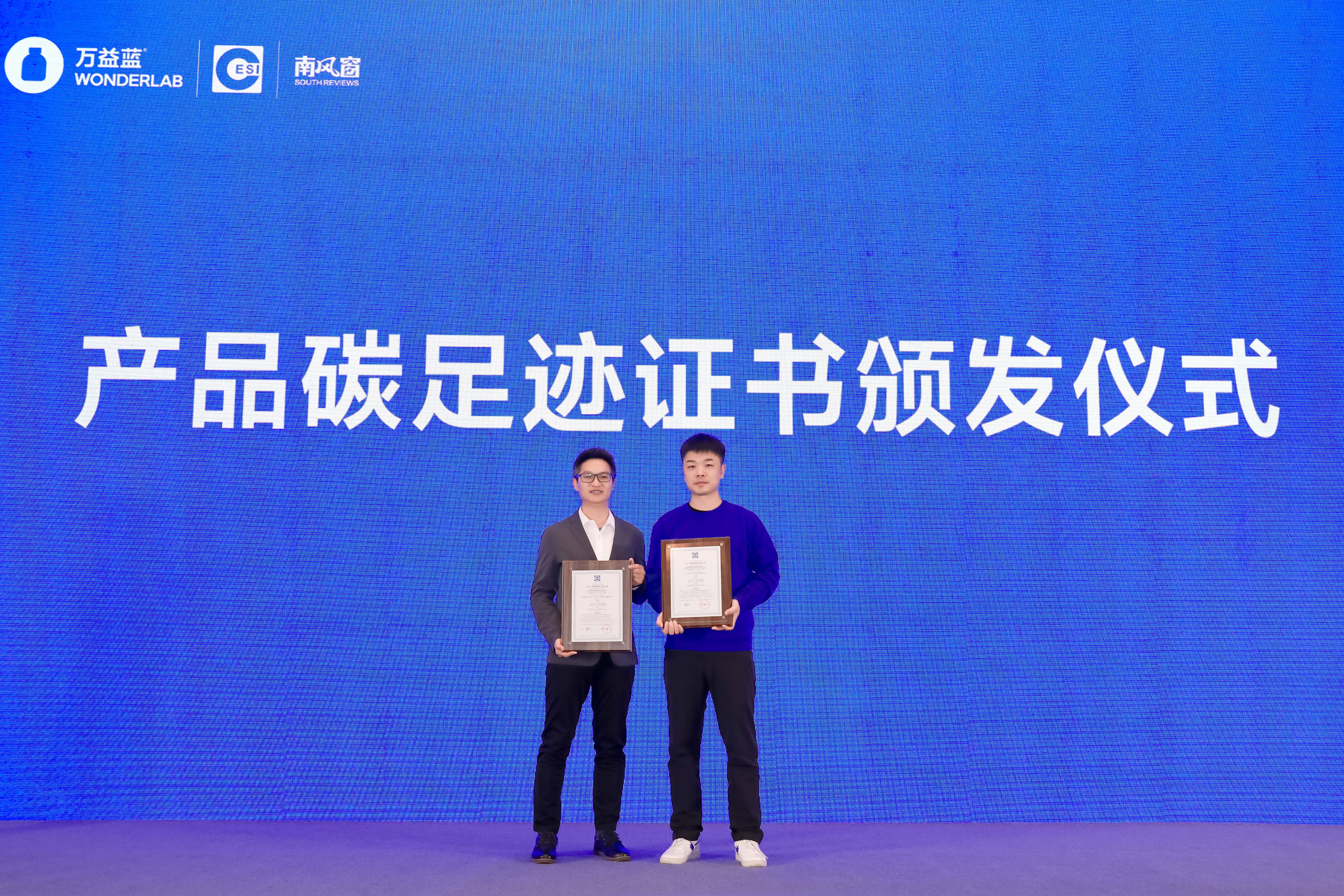 Presentation of carbon-footprint certificates for WONDERLAB’s “Blue Bottle” All-in-One Probiotics and Probiotics for Kids
South China Branch of the China Electronics Standardization Institute, which participated in WONDERLAB’s early dual-carbon initiatives, also addressed the probiotic industry’s low-carbon development. In her presentation, Ma Jinping, Head of Dual-Carbon Research, said: “Carbon-emissions data research in the probiotic industry is currently still a blank area. As a leading company in the probiotic industry, WONDERLAB is exploring low-carbon sustainable development through research and evidence-based approaches, providing the industry with sound, science-based guidance for achieving its dual-carbon goals.”
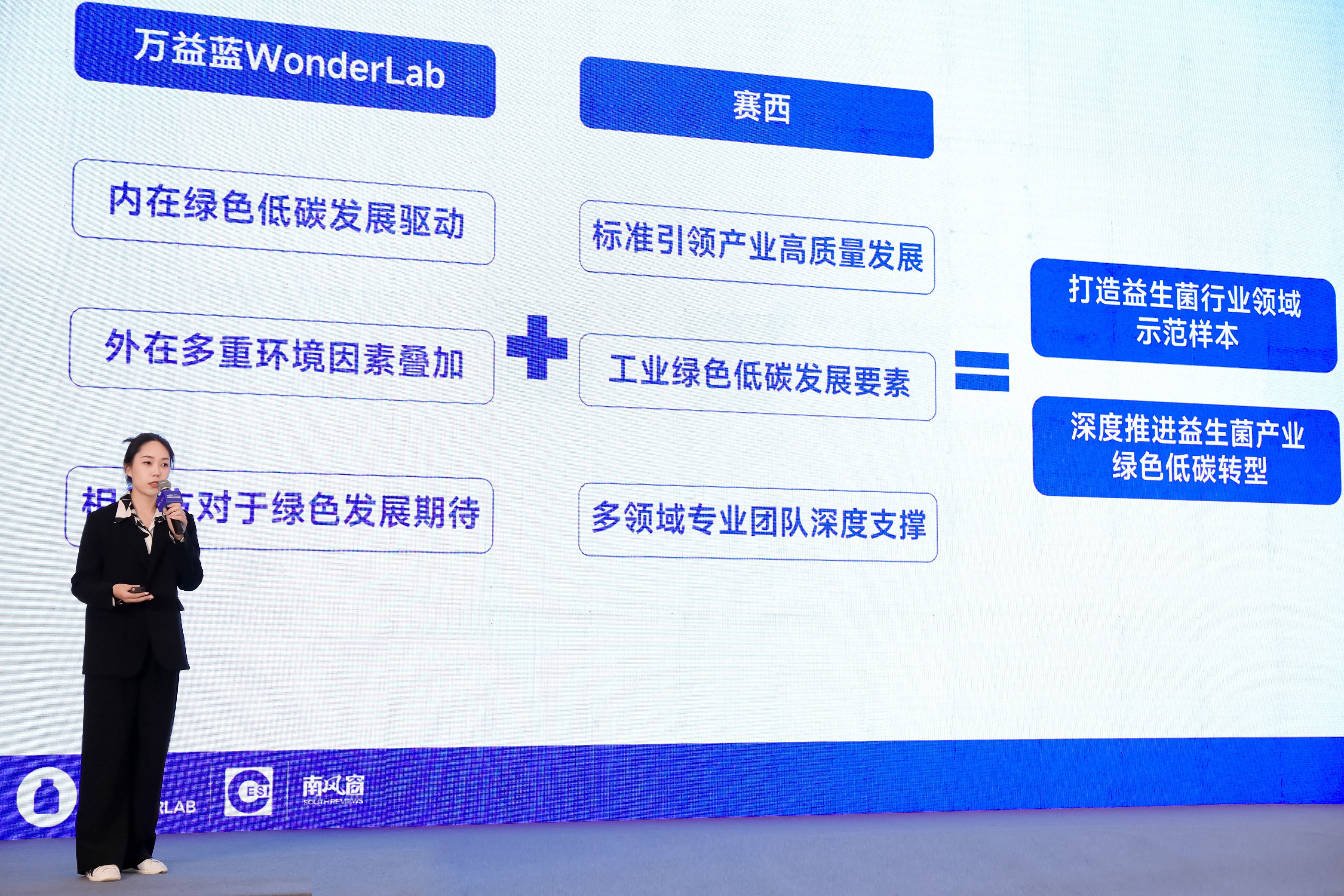 Ma Jinping, Head of Dual-Carbon Research at the South China Branch of the China Electronics Standardization Institute, delivers a keynote presentation
The green and low-carbon development trend among future-oriented companies, as represented by WONDERLAB, also received recognition from Lü Xuedu, former Deputy Director of the National Climate Center. Lü Xuedu said that corporate green and sustainable action is an important part of achieving the dual-carbon goals. By leveraging their own technological and industry advantages, companies can pursue low-carbon, zero-carbon and even negative-carbon development. They can further share with society the technologies, business models and other solutions they develop for achieving the dual-carbon goals, provide financial support, and help society achieve those goals more quickly and effectively—creating significant sustainable-development advantages for brands.
“Whether at the B2B or B2C end, there is a clear connection between companies and green, sustainable development,” Lü Xuedu said. “This time, WONDERLAB launched the industry’s first dual-carbon strategy action and the BALANCE strategy, providing all companies with a new model and example, and offering new ideas for the industry’s healthy, high-quality development. We look forward to more companies joining the dual-carbon action and taking practical steps to benefit the future.”
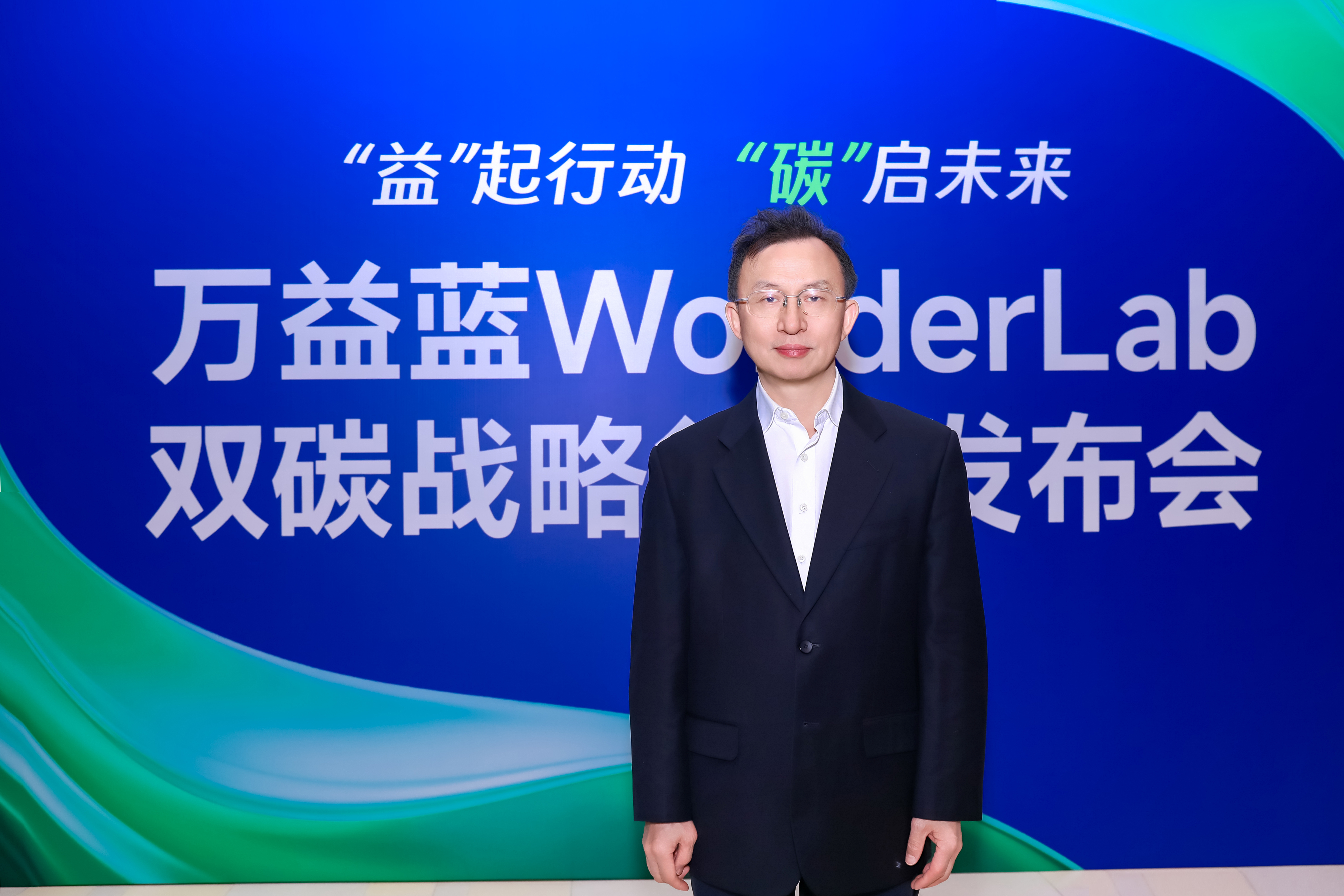 Lü Xuedu, former Deputy Director of the National Climate Center
Pursuing Green, Low-Carbon Development and Drawing a Green Blueprint Together with Consumers
WONDERLAB launched its Empty Bottle Return Program in 2022. The brand initially encouraged consumers to actively recycle empty bottles and jointly promote environmental protection and sustainable development. As consumers continued to offer new suggestions, the return initiative evolved from an annual event into an ongoing program. WONDERLAB’s research and visits also found that more than 90% of its consumers were more supportive of green consumption and sustainable development.
At the event, Liu Yanchen, WONDERLAB’s Brand Director, described the Empty Bottle Return Program as an implementation of one of the ten measures under the BALANCE strategy. She said that the brand has consistently pursued long-term development and continued to explore a green, low-carbon transition—from recycling approximately 2.2 million empty bottles, to turning them into branded merchandise and eco-friendly apparel, and now exploring biodegradable, environmentally friendly packaging materials. WONDERLAB has continued to enrich its own dual-carbon practices. The Empty Bottle Return Program alone has expanded to include more than 30 Aihuishou stores, 200 Watsons stores and more than 10 brand pop-up stores. Through sustained innovation across multiple channels and dimensions, the program continues to inject momentum into the dual-carbon effort, and WONDERLAB plans to intensify these efforts in the future.
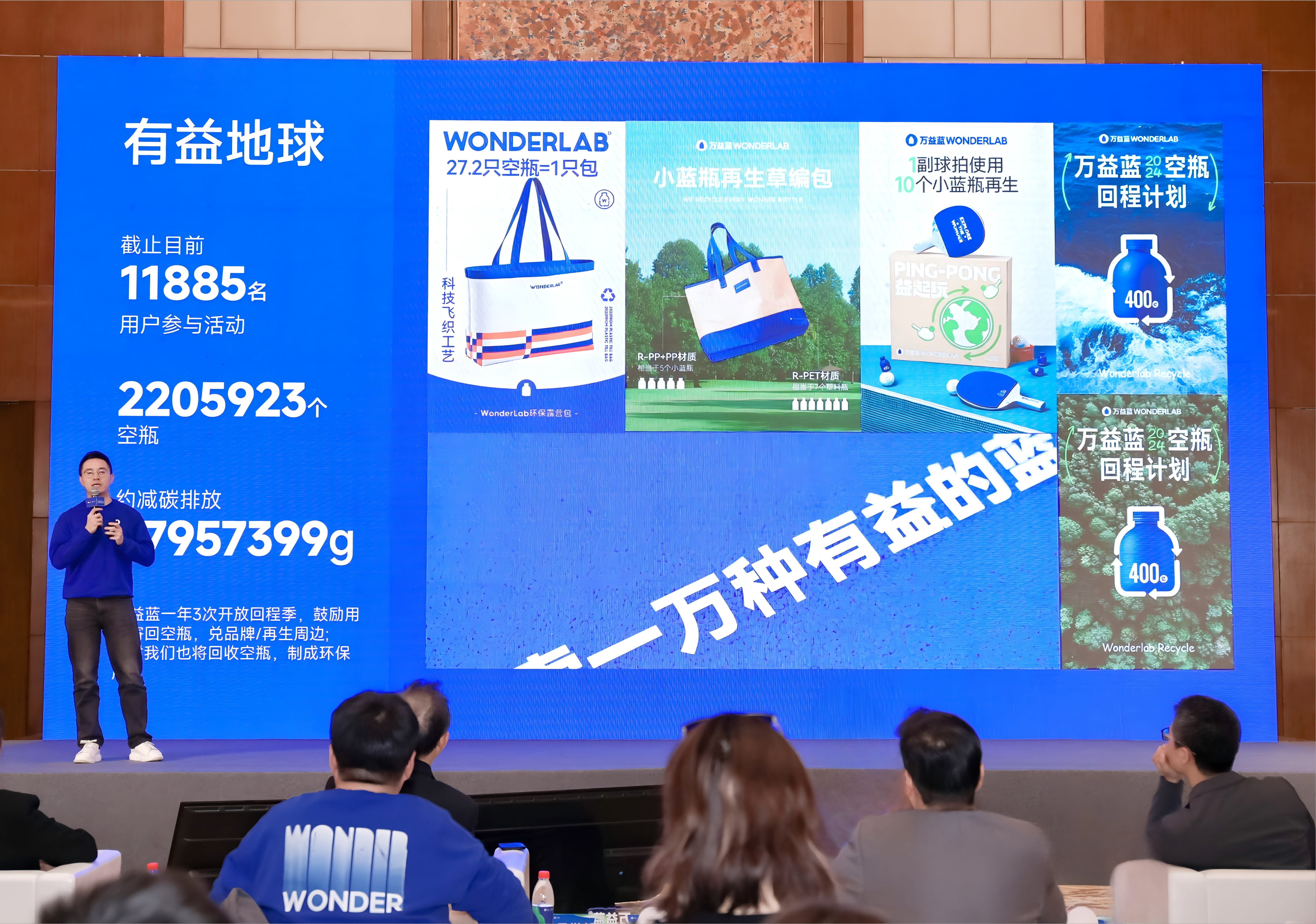 Liu Yanchen, WONDERLAB’s Brand Director, delivers a keynote presentation
Achieving the dual-carbon goals cannot be accomplished by companies alone; it requires collaboration and joint progress across society. At the launch event, WONDERLAB released the industry’s first dual-carbon development initiative. Together with representatives of government-affiliated institutions, academia, consumer groups and the media, it called on all parties in the probiotic industry to work together and explore green-development models across multiple areas, including raw-material procurement, improvements to production processes and innovations in product packaging. The aim is to genuinely improve the industry’s overall ability to respond to the dual-carbon goals and its level of sustainable development.
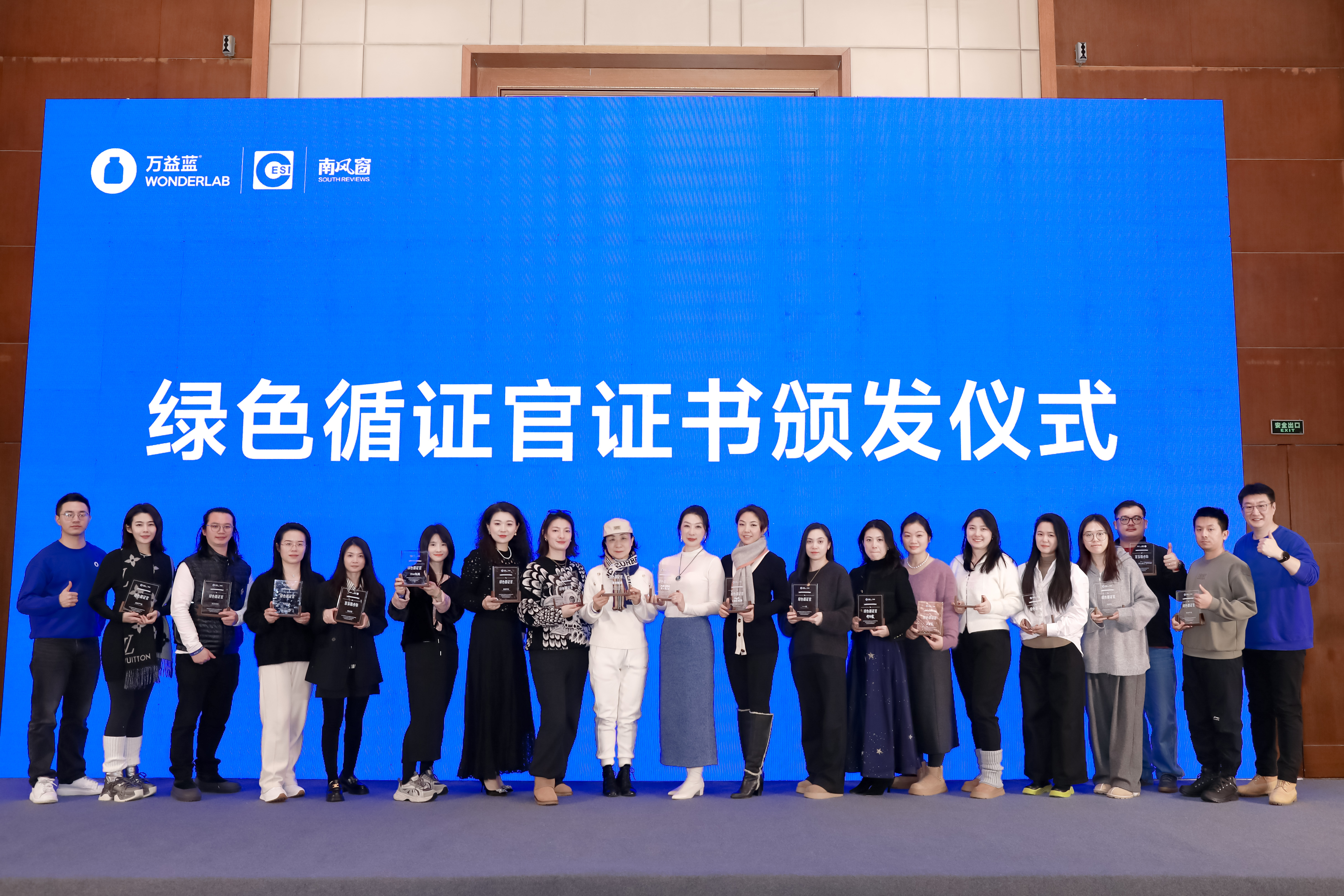
As a leading company in China’s probiotic industry, WONDERLAB’s launch of the “BALANCE” dual-carbon strategy plan marks a solid and critical step in implementing its dual-carbon strategy. Going forward, the plan is expected to help the probiotic industry and the broader health sector build new momentum and trends for green development, and work together to contribute to China’s “3060” Goals.