





Advancing China’s End-to-End Probiotic Industry: WONDERLAB Leads Forum on Probiotic Technology and Industrial Applications
2025-06-11
As a prominent interdisciplinary and cross-specialty academic exchange platform held every two years, the China Gut Conference was recently held in Ningbo. On June 8, one of the conference’s key sessions—the “Exploring the Future of Health” Forum on Probiotic Technology and Industrial Applications—was hosted under the leadership of WONDERLAB, a leading Chinese probiotic company. The forum brought together experts and scholars from Peking Union Medical College Hospital (PUMCH), Chinese Academy of Medical Sciences; China National Research Institute of Food and Fermentation Industries; Shenzhen Hospital, Southern Medical University; Jiangnan University; and Hainan University. It also connected with IFF, a global leader in probiotic ingredients, and JD Health to share the latest findings in gut-microbiome science, explore pathways for technology translation, and provide full-industry-chain development directions and industrial application solutions for innovation in the probiotic sector.
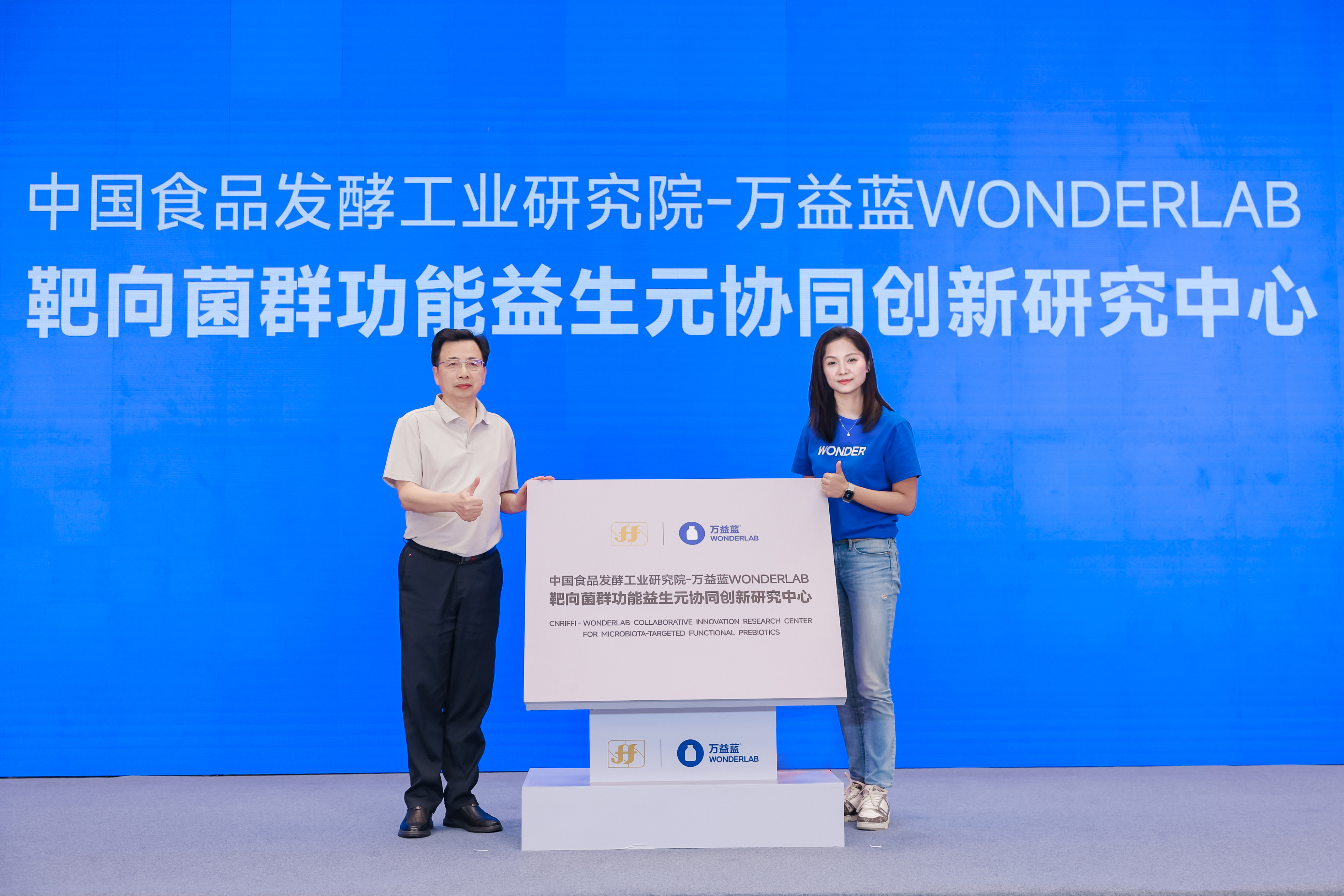
At the event, the Targeted Microbiota–Functional Prebiotic Collaborative Innovation Research Center, jointly established by China National Research Institute of Food and Fermentation Industries and WONDERLAB, was officially inaugurated. Going forward, the center will focus on frontier scientific perspectives on targeted microbiota and consumer health needs, jointly conduct research and development on novel prebiotics, and continue to advance the industry.
Clinical Studies Underway at PUMCH and Other Hospitals as Collaborative Innovation Center Is Inaugurated
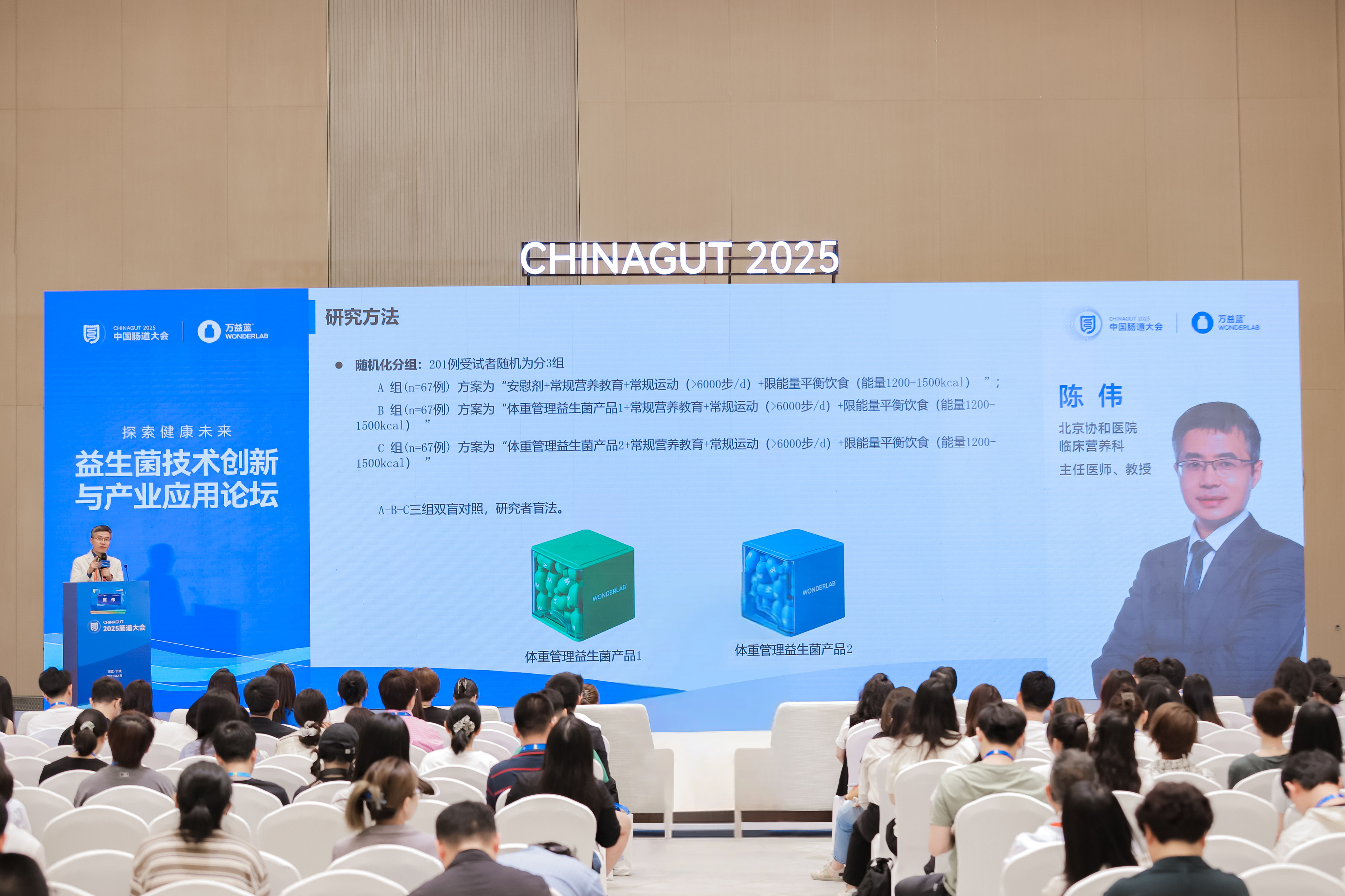
Weight-management research, an important direction for the probiotic industry, has attracted growing attention since China launched its three-year “Weight Management Year” initiative. At the forum, Chen Wei, chief physician and professor in the Department of Clinical Nutrition at PUMCH, cited the 2025 World Obesity Federation report, noting that 41% of adults in China had a high BMI in 2025 and 9% had obesity. By 2030, the number of Chinese adults with overweight or obesity is expected to reach 515.04 million. Among men, the highest concentrations of overweight and obesity prevalence were reported in the 50–54 and 35–39 age groups, respectively.
Against this backdrop, in April 2025, WONDERLAB, together with PUMCH and several other hospitals, officially launched a clinical trial in Beijing evaluating probiotic preparations for weight management. Professor Chen said at the event: “Supplementing with probiotics and prebiotics may regulate endogenous obesity-related hormones and support weight control. Clinical research into probiotics and prebiotics for weight management through the gut microbiome is gradually getting underway.”
WONDERLAB has long played a leading role in advancing the probiotic industry’s weight-management field. In March 2025, it was among the first in the industry to propose a weight-management solution centered on targeted microbiota management, while also conducting multiple clinical studies in conjunction with its products.
Professor Zhu Cuifeng, chief physician in the Department of Clinical Nutrition at Shenzhen Hospital, Southern Medical University, also shared data from a clinical project: “After 10 consecutive weeks of taking a probiotic blend powder (the WONDERLAB SHAPE100™ Probiotics product), overweight and obese volunteers showed significant improvements in weight management, lipid and glucose metabolism, immune-system function, and digestive-system health.”

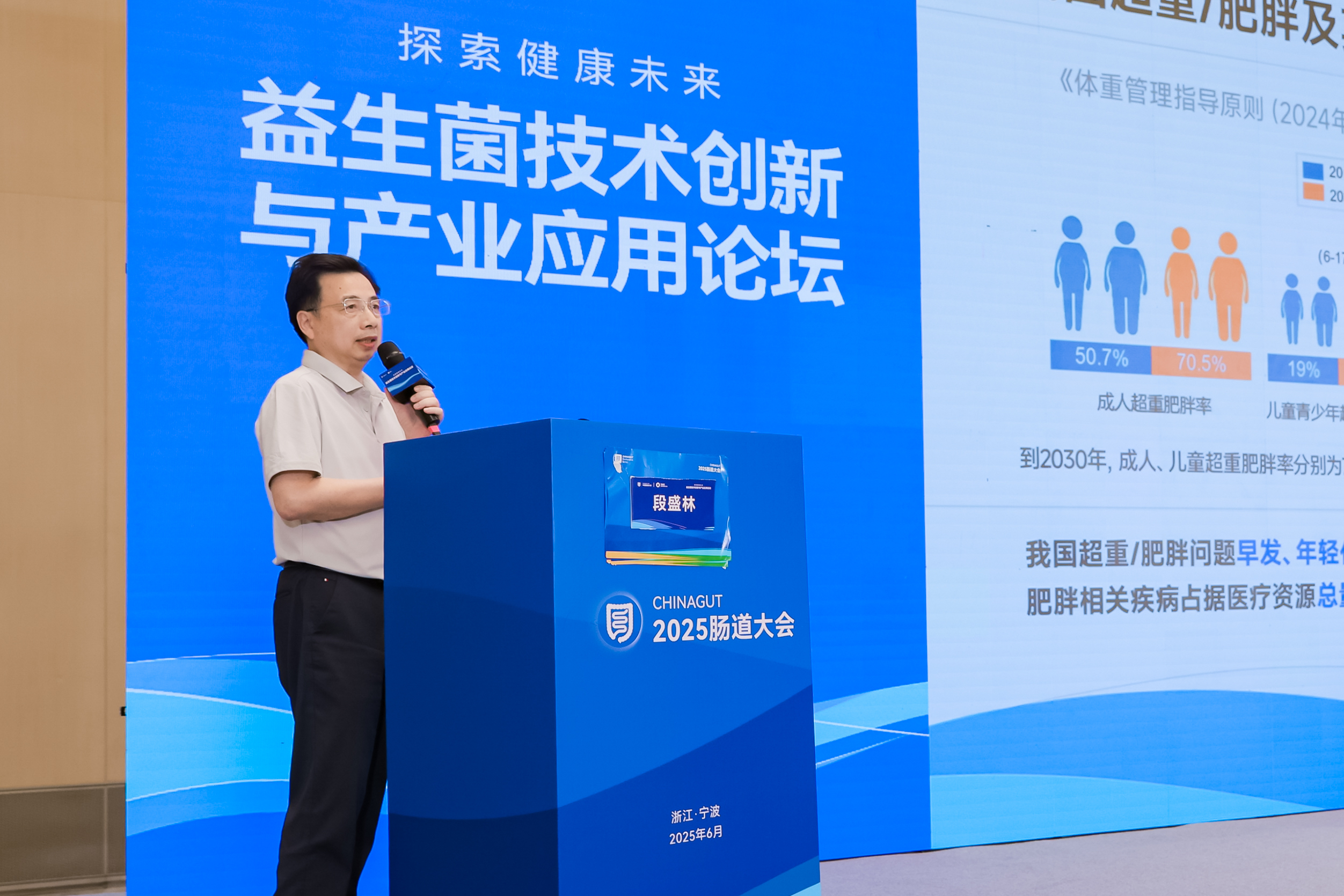
Similarly, building on research into targeted microbiota management and prebiotic formulations, prebiotics are also an important part of weight-management research. Duan Shenglin, deputy director of China National Research Institute of Food and Fermentation Industries, introduced the mechanisms through which prebiotics may contribute to weight management. He proposed food-innovation principles for weight-management products, including synergistic effects through scientifically balanced ratios, advanced viability-preservation technologies to support stable microbiota colonization, and combined use of multiple prebiotics to maintain stability. He also shared the development journey of stachyose, a high-efficiency prebiotic used in several WONDERLAB products.
At the “Hot Gut Night” awards ceremony on June 6, WONDERLAB was recognized with two awards—the “2023–2025 Probiotic Powerhouse Company” award and the “Outstanding Contribution to the Industry” award—for building differentiated competitive advantages through two-way innovation combining clinical data with industrial translation.
From the Laboratory to Consumers: WONDERLAB Leads End-to-End Probiotic Industry Upgrading
As demand for health has continued to grow in recent years, the development of the probiotic industry has attracted increasing attention. In 2020, WONDERLAB launched its first product, All-in-One Probiotics (the “Little Blue Bottle”), an adult broad-spectrum probiotic product that helped usher in the rapid development of China’s probiotic industry. In 2025, guided by R&D-driven product innovation, WONDERLAB drew on multiple in-depth human clinical studies of the characteristics of the human gut and relied on a closed-loop, end-to-end R&D-to-industry model spanning basic research, strain screening, clinical validation, and industrial translation to launch a version of its flagship All-in-One Probiotics 4.0 (the “Little Blue Bottle 4.0”).
After five years of iterative upgrades, All-in-One Probiotics 4.0 contains WONDERLAB’s proprietary GOLDGUT-M520 strain. Validated through in vitro functional assays, animal models, and human clinical studies, it has continued to attract attention in the probiotic market and ranked near the top of major e-commerce platforms during the current 618 promotion.
Speaking about the core proprietary strain used in WONDERLAB All-in-One Probiotics 4.0, Xue Hui, associate professor at the School of Food Science and Engineering, Hainan University, said: “Research shows that this strain can significantly increase the expression of the tight-junction proteins ZO-1 and occludin, strengthening the intestinal barrier. Animal studies further confirmed its potential benefits in areas including inflammatory bowel disease, functional constipation, and allergic rhinitis, providing new evidence for the role of probiotics in modulating gut health and immune balance.”

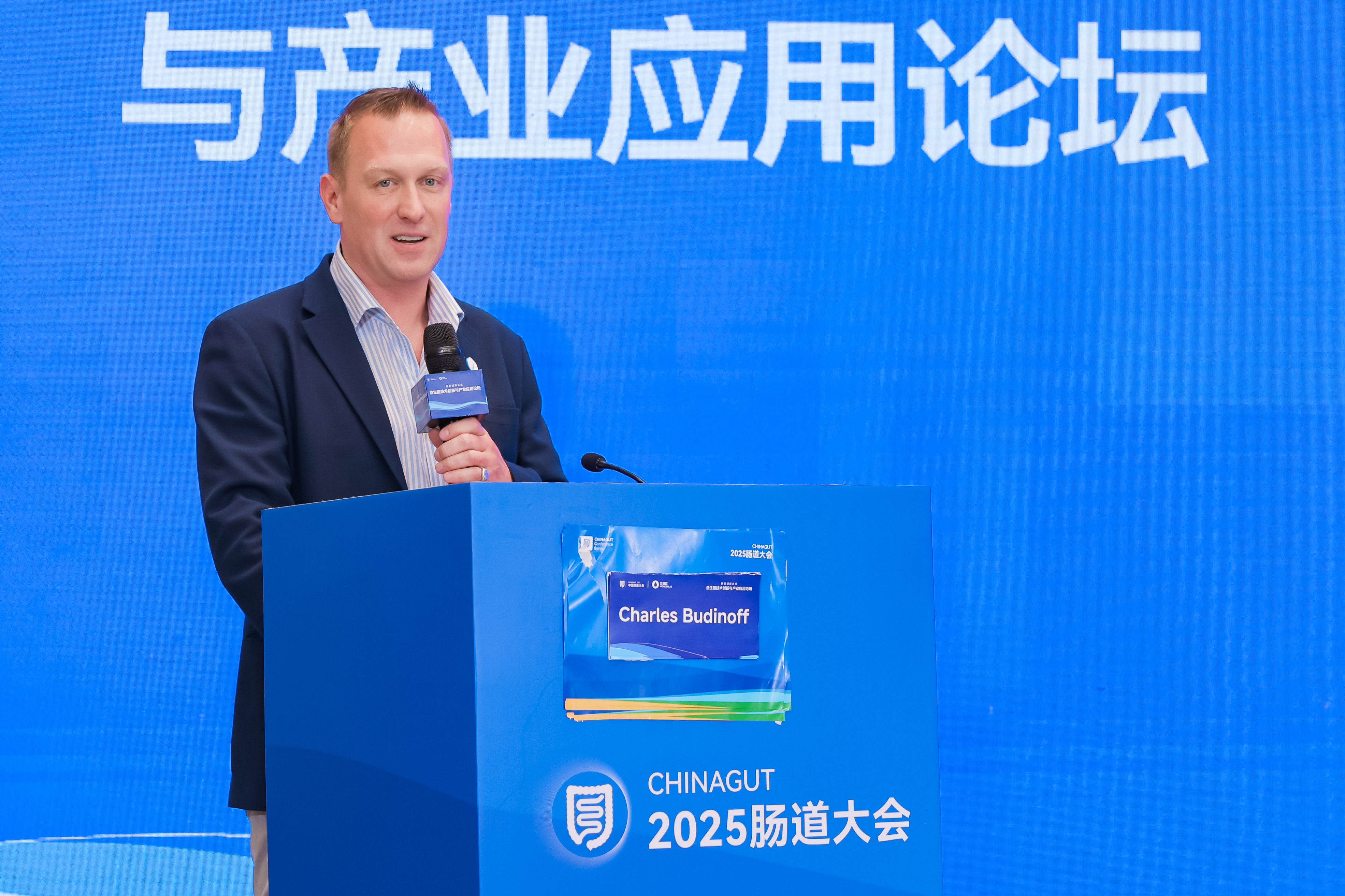
Charles Budinoff, Global R&D Director at IFF Health Sciences, WONDERLAB’s strategic partner, said that since the two parties established a joint innovation center in 2022, their cooperation had yielded fruitful results. They will also continue to develop next-generation probiotics better suited to human health while upgrading products already on the market. Charles also shared IFF Health Sciences’ innovation roadmap, including a next-generation live probiotic product that had undergone six years of R&D and achieved large-scale commercialization.
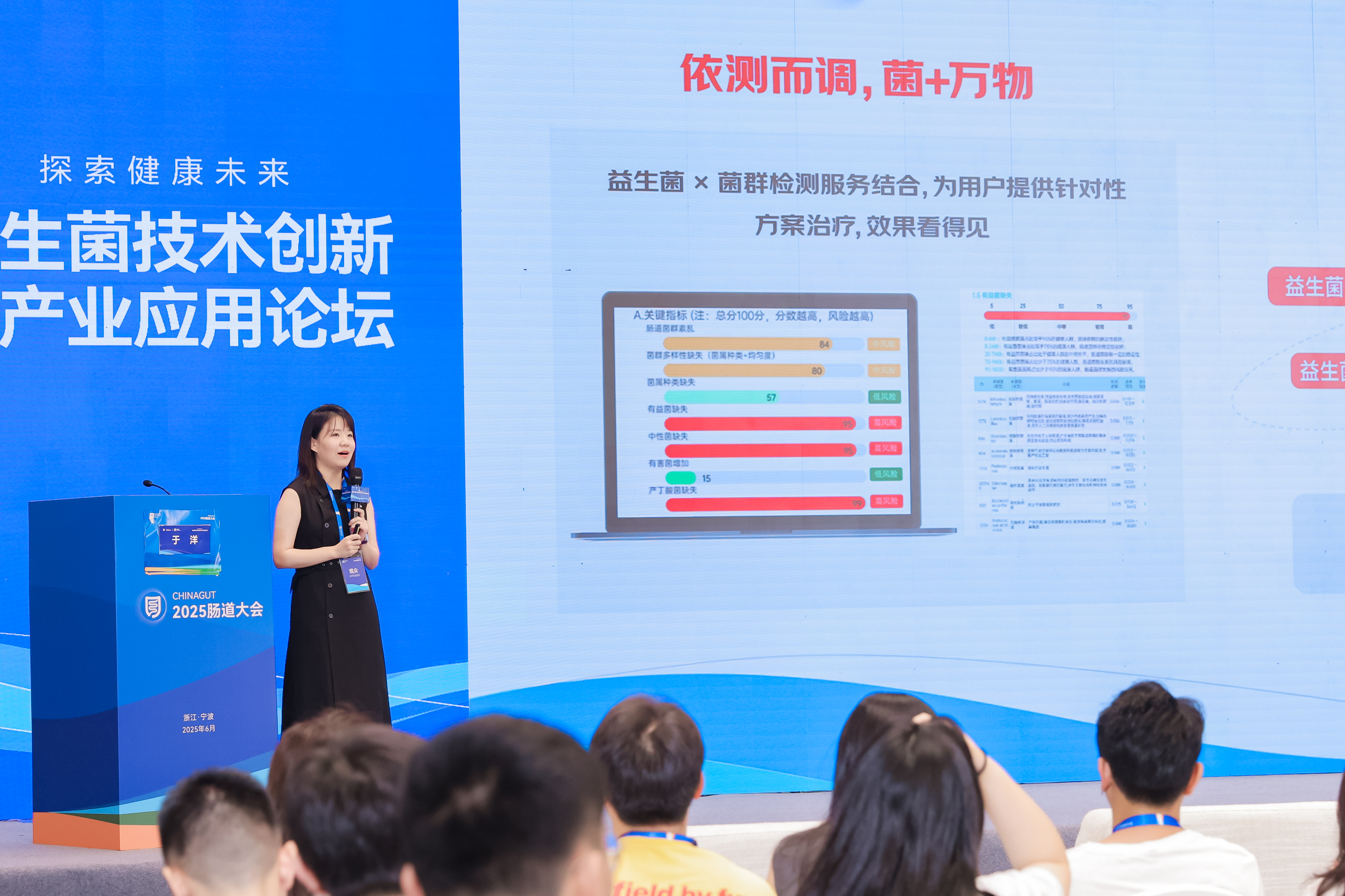
Discussing the future development of the probiotic industry, Yu Yang, head of health foods at JD Health’s Nutrition and Healthcare Business Unit, shared the following data: “Nutritional products are gradually becoming essential purchases for consumers, and demand for probiotics is growing rapidly. Platform data show that 80% of users repurchase probiotics within six months, while the overall repeat-purchase rate is about 30%.” In his view, positive market feedback confirms the probiotic industry’s steady momentum. As a nationwide platform, JD Health has long worked with WONDERLAB to promote probiotic products and health education. By establishing data-sharing mechanisms and leveraging user profiles and consumption-trend analysis, the two parties recommend next-generation health products with clear functional attributes to Chinese consumers, promote the concept of “science-based gut care,” and jointly support more standardized industry development.
As Liu Shuangjiang, chair of the Gut Microbiota Branch of the Chinese Biophysical Society and former director of the Institute of Microbiology, Chinese Academy of Sciences, put it: “With the cutting-edge academic research of scientists in China and the outstanding industrial translation capabilities of Chinese entrepreneurs, we believe we can jointly develop probiotic products better aligned with the health needs of Chinese people and the world, providing precise support for human health.”
From basic research at the Targeted Microbiota–Functional Prebiotic Collaborative Innovation Research Center to industrial implementation through international joint R&D, WONDERLAB is using end-to-end capabilities to help shift China’s probiotic industry from experience-driven to evidence-driven development. Powered by scientific evidence and innovation-led R&D, Chinese companies represented by WONDERLAB are using independent innovation to bring Chinese insights and solutions to the global fields of gut health and weight management.