






WONDERLAB Whitepaper: Targeted Microbiota Approach to Weight Management
2026-06-30

Expert Profile
Guo Hongwei, Professor, Doctoral Supervisor
Currently serves as Executive Director of the Chinese Nutrition Society, Honorary President of the Shanghai Nutrition Society, and Vice President of the Shanghai Student Nutrition and Health Promotion Association. Previously served as President and Vice President of the Shanghai Nutrition Society, and Chairman of the Food Safety Professional Committee of the Shanghai Society of Preventive Medicine. Currently serves (or has served) as Editorial Board Member of Chinese Journal of Preventive Medicine, Journal of Hygiene Research, Journal of Environmental and Occupational Medicine, Chinese Journal of Food Hygiene, Journal of Practical Preventive Medicine, and Journal of Health Toxicology. Has been engaged in teaching and research in nutrition and food hygiene for many years, with main research directions in nutrition and chronic diseases, and mycotoxins and health. Has undertaken multiple domestic and international related research projects, published over 130 related papers, chief-edited 9 textbooks and monographs, deputy-edited 2, and contributed to 10. Research projects have received 1 second-class and 3 third-class Science and Technology Progress Awards from ministries and commissions. Has received the Wu Jieping Medical Research - Paul Janssen Pharmaceutical Research Third Prize and the Shanghai Municipal Education Commission Bi Yi Shuang Fei Award. Holds 1 national invention patent.
Liu Shuangjiang, Professor, Doctoral Supervisor, PhD, Distinguished Professor
Liu Shuangjiang, PhD, Distinguished Professor at Shandong University, Researcher at the Institute of Microbiology, Chinese Academy of Sciences, President of the Gut Microbiota Branch of the Chinese Biophysical Society, Vice Chairman of the Environmental Microbiology Professional Committee of the Chinese Society for Microbiology, Editor-in-Chief of iMeta, Executive Editor-in-Chief of Acta Microbiologica Sinica, and Deputy Editor-in-Chief of Chinese Journal of Biotechnology. Formerly served as the ninth Director of the Institute of Microbiology, Chinese Academy of Sciences. Recipient of the National Natural Science Fund for Distinguished Young Scholars, support from the Chinese Academy of Sciences Hundred Talents Program (Outstanding Overseas Talents), and the National Outstanding Science and Technology Worker title. Has presided over and completed key R&D projects of the Ministry of Science and Technology, major, key and general projects of the National Natural Science Foundation, 973 Program and 863 Program projects of the Ministry of Science and Technology, and major and important research projects of the Chinese Academy of Sciences. As a main initiator, proposed the China Microbiome Research Program and presided over the key deployment project of the Chinese Academy of Sciences Microbiome Research Program. Research fields include environmental microbiology and gut microbiome, with long-term research in microbial isolation and culture, taxonomic identification, physiology and biochemistry, ecological interactions, genetic metabolism, and applied transformation, having published over 300 academic papers.
Feng Ying, Associate Chief Technician
Previously served as President of the Jiangsu Nutrition Society, Executive Director and Supervisor of the Chinese Nutrition Society, among others. Currently serves as expert for health food review in Jiangsu Province. Has presided over multiple research projects including National Natural Science Foundation and international cooperation projects, published over 70 research papers, including 24 SCI papers. Chief-edited 1 popular science book and contributed to 9 nutrition books. Editorial Board Member of Dietary Guidelines for Chinese Residents and Dietary Reference Intakes for Chinese Residents (DRIs). Holds 6 authorized national invention patents, received 2 Science and Technology Awards from the Chinese Nutrition Society, 1 Nanjing Science and Technology Achievement Award, "Chinese Nutrition Society Hundred Talents Award," "Jiangsu Province Advanced Individual in National Scientific Literacy Work," and other honors.
Hua Jinzhong, Professor, National Registered Dietitian
Deputy Director of the Nutrition Department at a Shanghai tertiary hospital. Currently serves as Member of the Geriatric Nutrition Branch of the Chinese Nutrition Society, Vice Chairman of the Geriatric Nutrition and Health Branch of the Chinese Geriatric Health Care and Medicine Association, Executive Director of the Clinical Nutrition and Health Branch of the China Health Management Association, Executive Member of the Special Medical Purpose Formula Food Application Committee of the China Nutrition and Health Food Association, Director of the Probiotics Branch of the Chinese Institute of Food Science and Technology, Vice President of the Shanghai Nutrition Society, Vice President of the Shanghai Medicinal Diet Association, and Member of the Expert Committee of the Shanghai Clinical Nutrition Quality Control Center, among others. Has been engaged in clinical nutrition and geriatric nutrition work for over 30 years, with main research directions in nutrition and metabolism, nutritional prevention and treatment of common chronic diseases, and nutrition health promotion. Published over 50 papers and popular science articles in domestic and international journals, chief-edited and contributed to over 10 textbooks, monographs, and popular science books. The team received the 2008 Shanghai Science and Technology Progress Third Prize, 2009 Ministry of Education Science and Technology Progress Second Prize, among others.
Wu Peiying, Associate Chief Technician
Previously served as Vice President and Secretary-General of the 4th to 6th Zhejiang Nutrition Society, consecutive Director of the 4th to 8th Chinese Nutrition Society, Supervisor of the Zhejiang Nutrition Society, and Chairman of the 1st and 2nd Student Nutrition and Health Professional Committee of the Zhejiang Nutrition Society. Specializes in assessment and evaluation of human nutritional status, consultation, guidance and effectiveness evaluation for various health management programs, analysis and evaluation of diet (nutrition), development, utilization, preparation and application of nutrition and health foods, and training and guidance on nutrition and health. Chief-edited and contributed to over ten textbooks and books, published over 50 papers. Undertaken over 20 scientific and technological projects, received nearly 10 science and technology progress awards. Has received over 30 awards including "National Nutrition Science and Technology Worker, Outstanding Popular Science Advanced Individual" and "Provincial Outstanding Science and Technology, Science Association" as well as awards from Zhejiang University and the nutrition industry.
Cai Yunqing, Professor, Doctoral Supervisor
Previously served as Director of the Nutrition Department at a Shanghai tertiary hospital. Member of the Diabetes Nutrition Professional Committee of the Chinese Nutrition Society, Member of the Dietary Nutrition Professional Committee of the Shanghai Food Safety Risk Assessment Expert Committee, Director of the Shanghai Nutrition Society, Expert Committee Member of the Shanghai Clinical Nutrition Quality Control Center, Director of the Shanghai Food Therapy Research Society, among others. Long engaged in dietary adjustment and nutritional treatment for nutrition and chronic non-communicable diseases, especially nutritional guidance for diabetes (including gestational diabetes), maternal nutrition, hyperlipidemia, kidney disease patients, gout patients, elderly patients, among others. Presided over research such as "Community Nutrition Intervention Study for Diabetes" and "Study on the Improvement Effect and Mechanism of β-Glucan on Experimental Metabolic Syndrome," and participated in "Community Nutrition Health Education Intervention Study for Hypertension." Published dozens of papers, chief-edited "Menopausal Recipes."
Contents
1 Obesity Challenges and New Perspectives on Gut Microbiota
1. 1 Obesity / Overweight Prevalence Trends
1. 2 Limitations of Traditional Weight Loss Methods
1. 3 Gut Microbiota: The "Second Genome" of Human Metabolism
1. 4 Precision Obesity Phenotyping: From Macroscopic Characteristics to Microscopic Mechanisms
1. 5 The Intrinsic Link Between Obesity Phenotypes and Gut Microbiota Dysbiosis
2 Six Major Mechanisms of Gut Microbiota in Weight Regulation
2. 1 Maintenance of Intestinal Barrier Function and Improvement of Chronic Inflammation
2. 2 Microbiota-Host Dialogue in Glucose Metabolism Regulation
2. 3 Multi-dimensional Intervention in Lipid Metabolism Regulation
2. 4 Neuroendocrine Regulation of Appetite and Satiety (Part 1)
2. 5 Neuroendocrine Regulation of Appetite and Satiety (Part 2)
2. 6 Microbiota Regulation of Energy Expenditure and Thermogenesis
2. 7 Inhibition of Nutrient Absorption
3 Targeted Microbiome Modulation for Weight Management with Probiotics
3. 1 Definition of Probiotics and Strain Specificity
3. 2 Proposal of "Targeted Microbiome Modulation for Weight Management"
3. 3 Application Timeline of Targeted Microbiome Modulation
3. 4 Precision Targeted Intervention Strategy Based on Obesity Phenotypes
4 Conclusion and Outlook
PART 1 Obesity Challenge and New Perspectives on Gut Microbiota
1.1 Prevalence Trends of Obesity / Overweight
Obesity and overweight have become a global public health crisis. World Health Organization data shows that in 2022, approximately 16% of adults aged 18 and above worldwide were obese, and the obesity rate among children and adolescents also increased from 2% to 8%. In China, the overweight and obesity problem is equally severe: 2020 data shows that the overweight/obesity rate among adults has reached 50.7%, 19% among adolescents aged 6-17, and 10.4% among children under 6 years old. This means that 1 in every 2 adults, 5 adolescents, or 10 children faces overweight or obesity.
Obesity is not merely a physical appearance issue, but poses a serious threat to health. High BMI is an important risk factor for premature death from chronic non-communicable diseases. Among premature deaths related to type 2 diabetes, 55% can be attributed to high BMI. In addition, obesity significantly increases the risk of cardiovascular diseases, certain cancers, osteoarthritis, and sleep apnea.
1.2 Limitations of Traditional Weight Loss Methods
Traditional weight management methods mainly include dietary control, increased exercise, pharmacotherapy, and surgical intervention. However, these methods commonly have limitations: poor adherence to diet and exercise, high rebound rates; drugs often have side effects; surgery, although significantly effective, is highly invasive and carries surgical risks and postoperative complications. These limitations highlight the urgent need to find more effective and sustainable weight management strategies.
Figure 1 Global Adult Obesity / Overweight Prevalence
1.3 Gut Microbiota: The "Second Genome" of Human Metabolism
The human gut harbors trillions of microorganisms, whose gene count is more than 100 times that of the human genome itself, earning it the title of "second genome." The gut microbiota not only participates in food digestion and absorption, but also plays a key role in energy metabolism, fat storage, immune regulation, and inflammatory response.
Research has found that the gut microbiota composition of obese individuals differs significantly from that of healthy individuals, leading to the concepts of "obese microbiota" and "lean microbiota." Classic twin studies have shown that when the gut microbiota of obese individuals is transplanted into germ-free mice, the mice exhibit significant increases in body weight and fat accumulation; transplanting microbiota from lean individuals produces no such effect. This directly demonstrates the causal role of gut microbiota in weight regulation.
1.4 Precision Phenotyping of Obesity: From Macroscopic Characteristics to Microscopic Mechanisms
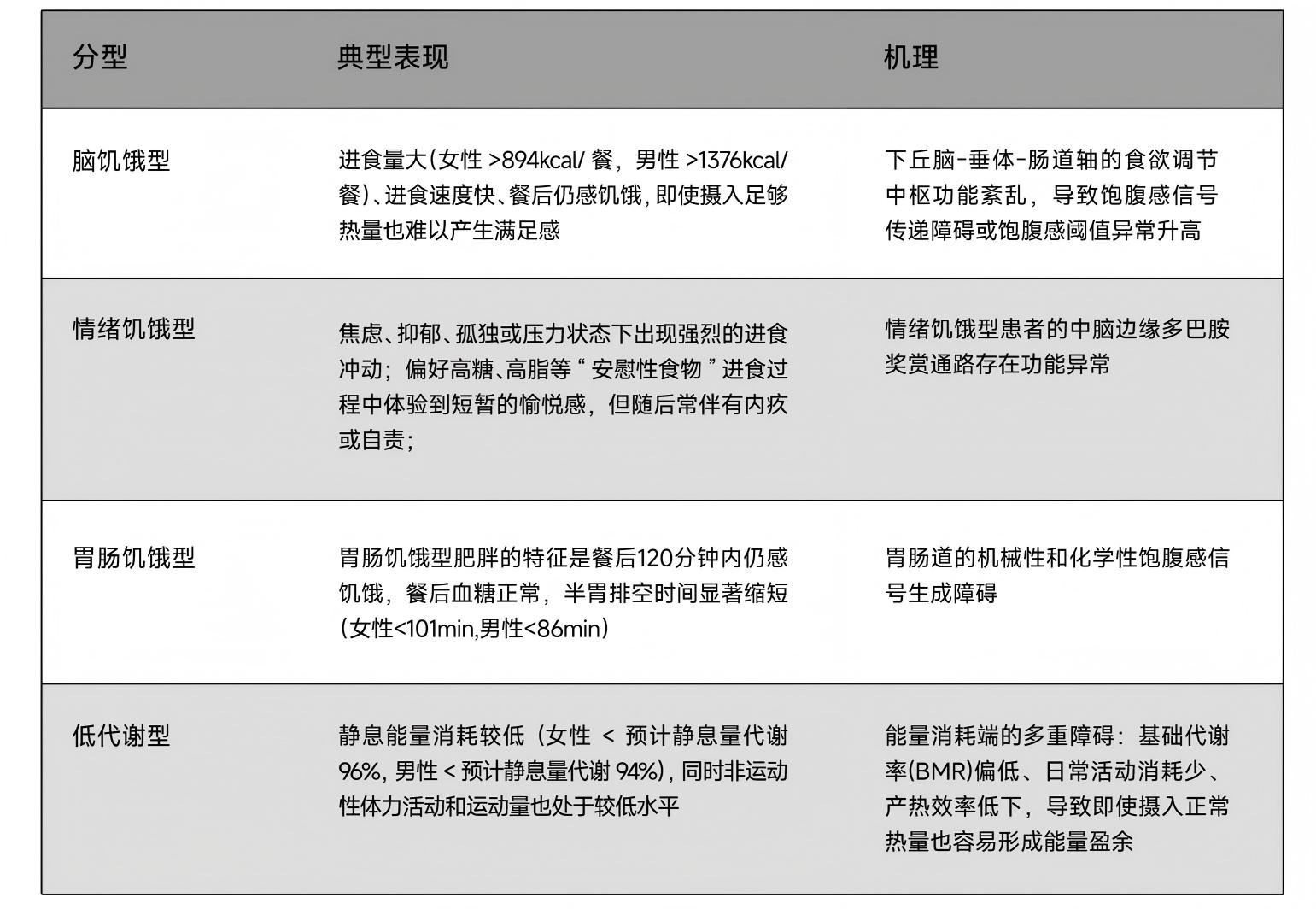
For a long time, obesity was simply defined as exceeding BMI standards, but clinical practice shows that the same intervention regimen produces vastly different results in different individuals. This variation stems from the fact that obesity is not a single disease, but rather a heterogeneous syndrome caused by different pathophysiological mechanisms. The Mayo Clinic has proposed four pathophysiological phenotypes of obesity:
1) Hungry Brain: Characterized by large food intake, fast eating speed, and continued hunger after meals, originating from dysfunction of the hypothalamic appetite regulation center, leading to impaired satiety signal transmission.
2) Emotional Hunger: Strong eating impulses under anxiety, depression, or stress, with preference for high-sugar, high-fat foods, related to abnormal function of the mesolimbic dopamine reward pathway and 5-HT system imbalance.
3) Hungry Gut: Continued hunger within 120 minutes after meals, with significantly shortened half-gastric emptying time, due to impaired generation of gastrointestinal satiety signals, particularly weakened capacity of intestinal L cells to secrete GLP-1 and PYY.
4) Slow Burn: Resting energy expenditure significantly lower than predicted, combined with low daily activity levels and low basal metabolic rate, associated with reduced mitochondrial function, insufficient UCP-1 expression, and abnormal bile acid metabolism.
Table 1 Mayo Clinic Obesity Phenotypes and Characteristics
1.5 The Intrinsic Link Between Obesity Phenotypes and Gut Microbiota Dysfunction
More critically, each obesity phenotype is associated with a specific pattern of gut microbiota dysfunction:
1) Hungry Brain: Gut-brain axis dysfunction, reduced capacity of microbiota to produce GABA and regulate 5-HT, leading to neurotransmitter imbalance, while chronic inflammation induces leptin resistance.
2) Emotional Hunger: The gut microbiota directly affects brain function and mood through bidirectional communication pathways of the "gut-brain axis," utilizing neurotransmitters, immune responses, and signaling molecules.
3) Hungry Gut: Significant reduction in the abundance of key short-chain fatty acid (SCFA)-producing microbiota (such as Bifidobacterium and Bacteroides), leading to insufficient GLP-1 and PYY secretion and weakened satiety signals.
4) Low-metabolism type: Decreased bile salt hydrolase (BSH)-producing bacteria (such as Lactobacillus and Bifidobacterium), insufficient secondary bile acid production, weakened activation of TGR5 and FXR signaling pathways, and reduced energy expenditure. This classification system transforms obesity from a single state of "energy surplus" into distinct pathological states that can be precisely identified and targeted for intervention, providing a scientific basis for personalized weight management.
Figure 2 Gut Microbiota-Brain-Gut Axis Mechanism
PART 2 Six Major Mechanisms by Which Gut Microbiota Regulates Body Weight
2.1 Intestinal Barrier Function Maintenance and Chronic Inflammation Improvement
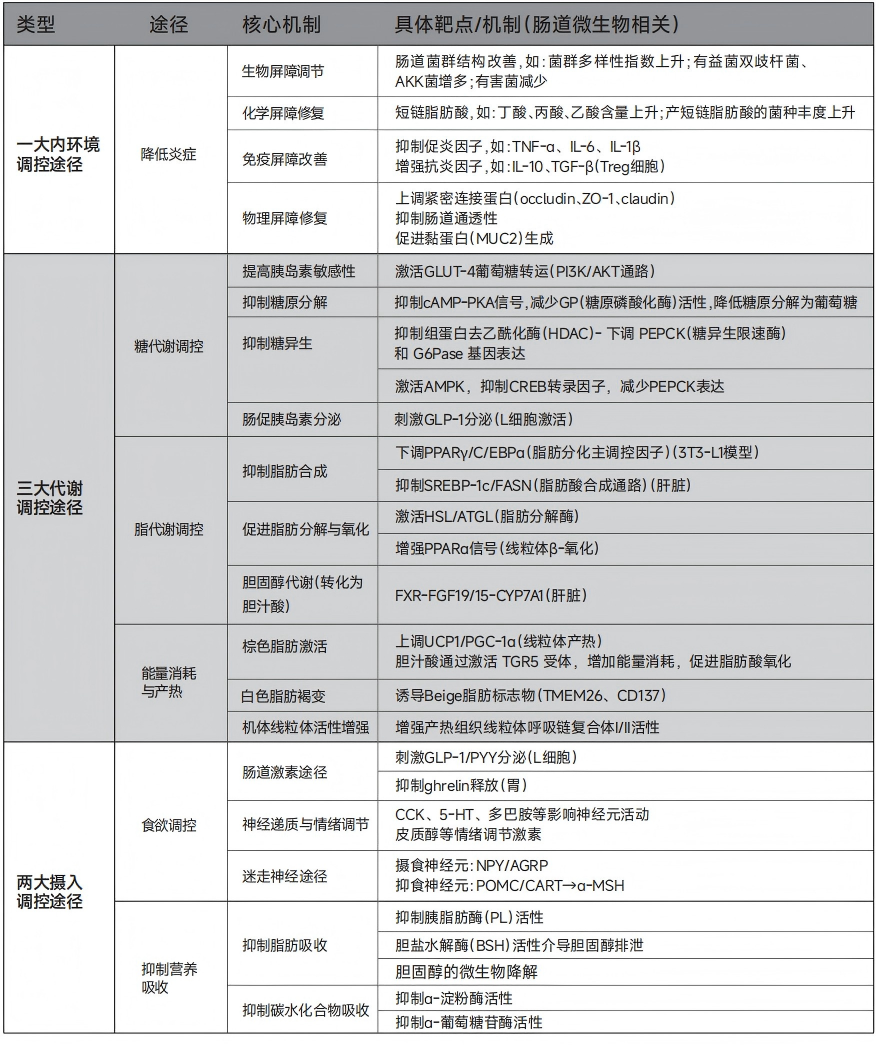
Low-grade chronic inflammation is a core pathological feature of obesity, and its origin lies precisely in the impaired intestinal barrier. The intestinal barrier consists of four layers: biological barrier (commensal microbiota), chemical barrier (mucus layer), immune barrier (gut-associated lymphoid tissue), and physical barrier (tight junctions between intestinal epithelial cells). When dysbiosis occurs, lipopolysaccharide (LPS) produced by Gram-negative bacteria enters the bloodstream through the damaged intestinal barrier, triggering "metabolic endotoxemia." LPS binds to TLR4 receptors on immune cell surfaces, activating the NF-κB pathway and releasing pro-inflammatory factors such as TNF-α and IL-6. These factors further disrupt tight junction proteins (such as ZO-1 and Occludin), exacerbating intestinal permeability and forming a vicious cycle. Sustained low-grade inflammation interferes with insulin signal transduction, leading to insulin resistance.
Inflammatory characteristics differ among obesity subtypes:
1) Brain/emotional hunger type: Neuroinflammation disrupts hypothalamic leptin signaling, leading to dysregulation of central appetite control.
2) Gastrointestinal hunger type: Local intestinal inflammation suppresses L-cell function, reducing GLP-1 secretion.
3) Low-metabolism type: Systemic inflammation suppresses mitochondrial function and brown adipose tissue thermogenesis, further reducing metabolic rate.
2.2 Microbiota-Host Dialogue in Glucose Metabolism Regulation
Microbiota influences glucose metabolism through multiple pathways:
1) Enhancing insulin sensitivity: SCFAs (particularly propionate and butyrate) activate FFAR2/FFAR3 receptors on adipocyte and L-cell surfaces, inhibiting lipolysis, reducing free fatty acid release, and improving insulin sensitivity; simultaneously, by suppressing inflammation, they reduce serine phosphorylation of IRS-1, protecting the insulin signaling pathway.
2) Inhibiting hepatic glucose output: SCFAs activate the gut-brain-liver neural circuit, suppressing the expression of key hepatic gluconeogenesis enzymes (PEPCK and G6Pase); secondary bile acids activate TGR5 receptors, promoting GLP-1 secretion and inhibiting glucagon release.
3) Promoting incretin secretion: SCFAs activate L-cell FFAR2/3, triggering GLP-1 and PYY secretion; secondary bile acids activate TGR5, similarly promoting GLP-1 release.
The characteristic of gastrointestinal hunger-type obesity is precisely the lack of SCFA-producing microbiota, leading to impaired GLP-1/PYY secretion, severe postprandial blood glucose fluctuations (high then low), and triggering frequent hunger sensations.
2.3 Multi-Dimensional Intervention in Lipid Metabolism Regulation
The microbiota regulates lipid metabolism from multiple dimensions through its metabolites:
1) Inhibition of fat synthesis: Secondary bile acids activate the hepatic FXR receptor, inducing SHP expression and inhibiting SREBP-1c (the master switch for fat synthesis); SCFAs activate AMPK, phosphorylating and inhibiting ACC (the rate-limiting enzyme for fatty acid synthesis).
2) Promotion of fat breakdown and oxidation: After AMPK activation, it relieves the inhibition on CPT1, promoting fatty acid entry into mitochondria for β-oxidation; the microbiota regulates norepinephrine levels, activating HSL (hormone-sensitive lipase).
3) Regulation of cholesterol metabolism: Microbiota BSH hydrolyzes conjugated bile acids into free forms, promoting fecal excretion and forcing the liver to consume cholesterol to synthesize new bile acids, thereby reducing serum cholesterol.
The core defect of low-metabolism-type obesity is insufficient BSH activity, leading to impaired secondary bile acid generation, insufficient FXR/TGR5 signal activation, and reduced AMPK activity, forming a constitution that "gains weight easily but loses weight with difficulty."
2.4 Neuroendocrine Regulation of Appetite and Satiety (Part 1)
The microbiota profoundly affects appetite through the "gut-brain axis":
1) Intestinal hormone pathway: SCFAs promote L-cell secretion of GLP-1 and PYY; the former delays gastric emptying and acts on the hypothalamus to suppress appetite, while the latter inhibits NPY neurons in the hypothalamus that promote appetite.
2) Neurotransmitter pathway: The microbiota produces GABA (anti-anxiety) and regulates tryptophan metabolism affecting 5-HT (appetite suppression), thereby influencing mood and emotion-related eating behaviors.
3) Vagal nerve pathway: Microbiota metabolites can directly activate vagal afferent fibers, rapidly transmitting satiety signals to the brain.
2.5 Neuroendocrine Regulation of Appetite and Satiety (Part 2)
The core of brain hunger-type is impaired satiety signal transduction (GLP-1/PYY deficiency or central resistance); the core of emotional hunger-type is abnormalities in the reward pathway and emotion regulation system (5-HT/GABA imbalance).
2.6 Gut Microbiota Regulation of Energy Expenditure and Thermogenesis
The gut microbiota increases energy expenditure by activating brown adipose tissue and inducing white adipose tissue browning:
1) Brown adipose tissue activation: Secondary bile acids activate TGR5, initiating the cAMP-PKA pathway, upregulating PGC-1α, driving UCP-1 expression, and enhancing thermogenesis; Akkermansia muciniphila and its metabolites can also significantly activate brown adipose tissue.
2) White adipose tissue browning: Secondary bile acids and SCFAs can induce the conversion of white adipose tissue into beige adipose tissue and express UCP-1 through pathways such as activating the sympathetic nervous system and promoting M2 macrophage infiltration.
3) Enhanced mitochondrial activity: SCFAs such as butyrate upregulate PGC-1α by inhibiting HDAC and activating AMPK, comprehensively enhancing cellular thermogenic capacity.
In individuals with low-metabolic obesity, the gut lacks thermogenesis-related bacteria such as Akkermansia muciniphila, with insufficient production of butyrate and secondary bile acids, leading to impaired activation of thermogenic pathways including AMPK, PGC-1α, and TGR5.
2.7 Inhibition of Nutrient Absorption
Mechanisms of inhibiting nutrient absorption: By regulating host lipase activity and bile salt hydrolase secretion, lipid emulsification and transporter protein expression are blocked at the source. Meanwhile, inhibitors produced by specific bacterial strains directly downregulate α-amylase activity; combined with short-chain fatty acids acidifying the intestinal environment, this helps reduce caloric intake.
PART 3 Probiotic-Based Targeted Microbiota Weight Management Approach
3.1 Definition of Probiotics and Strain Specificity
According to the WHO/FAO definition, probiotics are "live microorganisms which, when administered in adequate amounts, confer a health benefit on the host." The efficacy of probiotics has strict strain specificity; even different strains of the same species may have significantly different functions. Therefore, in weight management, it is essential to specify the strain level.
3.2 Proposal of the "Targeted Microbiota Weight Management Approach"
Based on the four core mechanisms by which gut microbiota regulates body weight (repairing the barrier, regulating bile acids, producing SCFAs, and controlling appetite), WONDERLAB, under the guidance of multidisciplinary experts in nutrition and microecology, proposed the "Targeted Microbiota Weight Management Approach" — supplementing specific probiotic strains with well-defined functional properties to target specific metabolic defects and achieve precise intervention.
This approach establishes a comprehensive intervention system encompassing three core aspects:
1) Repair intestinal barrier and improve inflammation: Lay the foundation for the entire intervention, reduce endotoxin translocation, and improve insulin sensitivity.
2) Regulate bile salt metabolism: Reduce fat absorption and promote cholesterol consumption through BSH-active strains.
3) Promote SCFA production and improve satiety: Stimulate secretion of hormones such as GLP-1, enhance satiety, and improve glucose tolerance.
Through these three major targets, continuously create a deficit of "energy intake < energy expenditure" to achieve sustainable weight management.
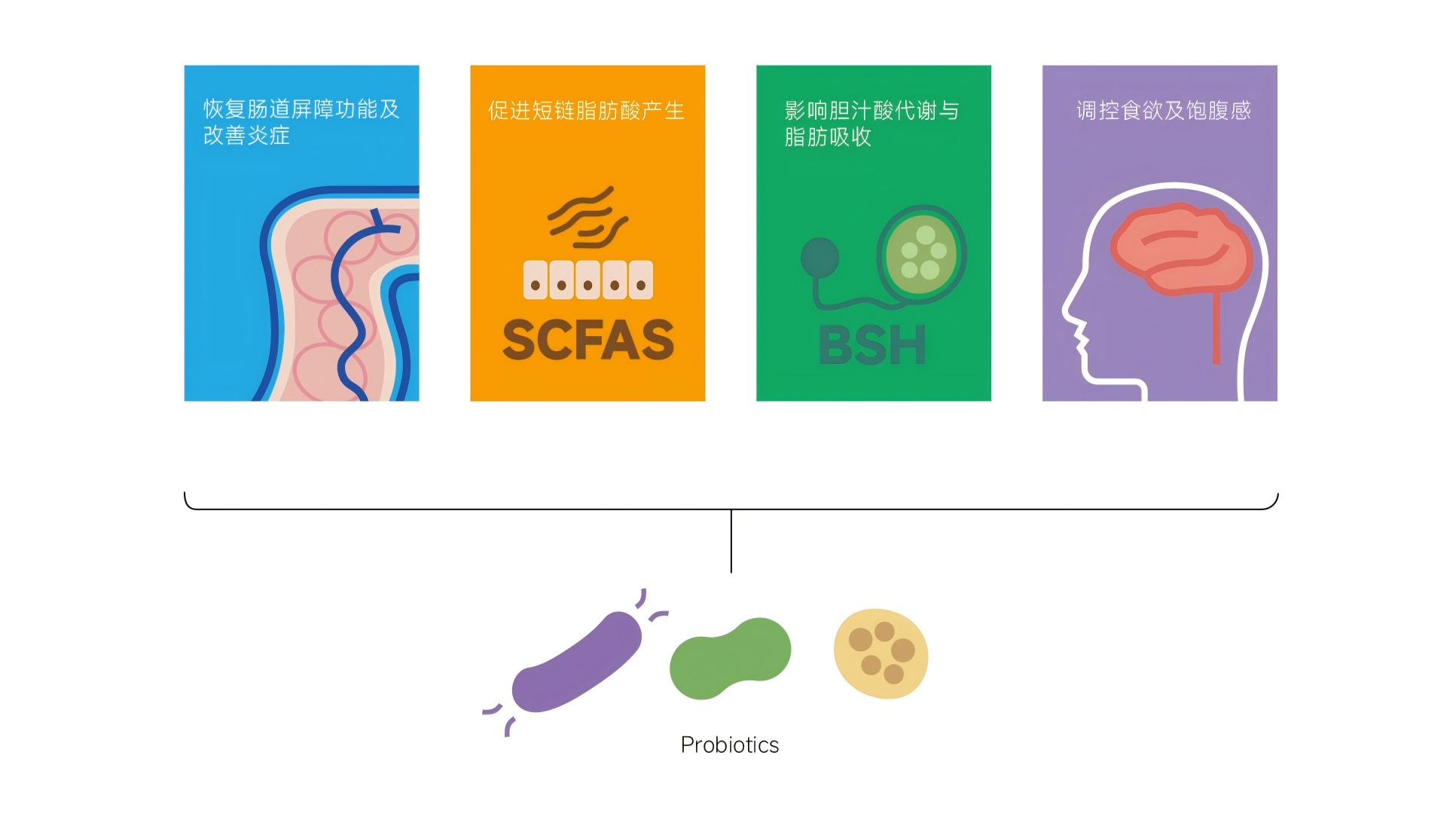
Figure 3 Targeted Microbiota Weight Management Method
3.3 Application Timeline of Targeted Microbiota Management Method
Scientific intervention should follow the following timeline:
1) Intestinal barrier repair (Weeks 1-2): Establish a healthy intestinal microenvironment foundation.
2) Improve intestinal inflammation (concurrent): Reduce the adverse effects of chronic inflammation on microbiota colonization.
3) Improve microbiota structure: Rebuild microbiota balance through diversified probiotics.
4) Promote stable colonization of beneficial bacteria: Ensure long-term effects.
5) Regulate bile salt metabolism: Reduce fat absorption.
Enhance satiety mechanism: Reduce energy intake.
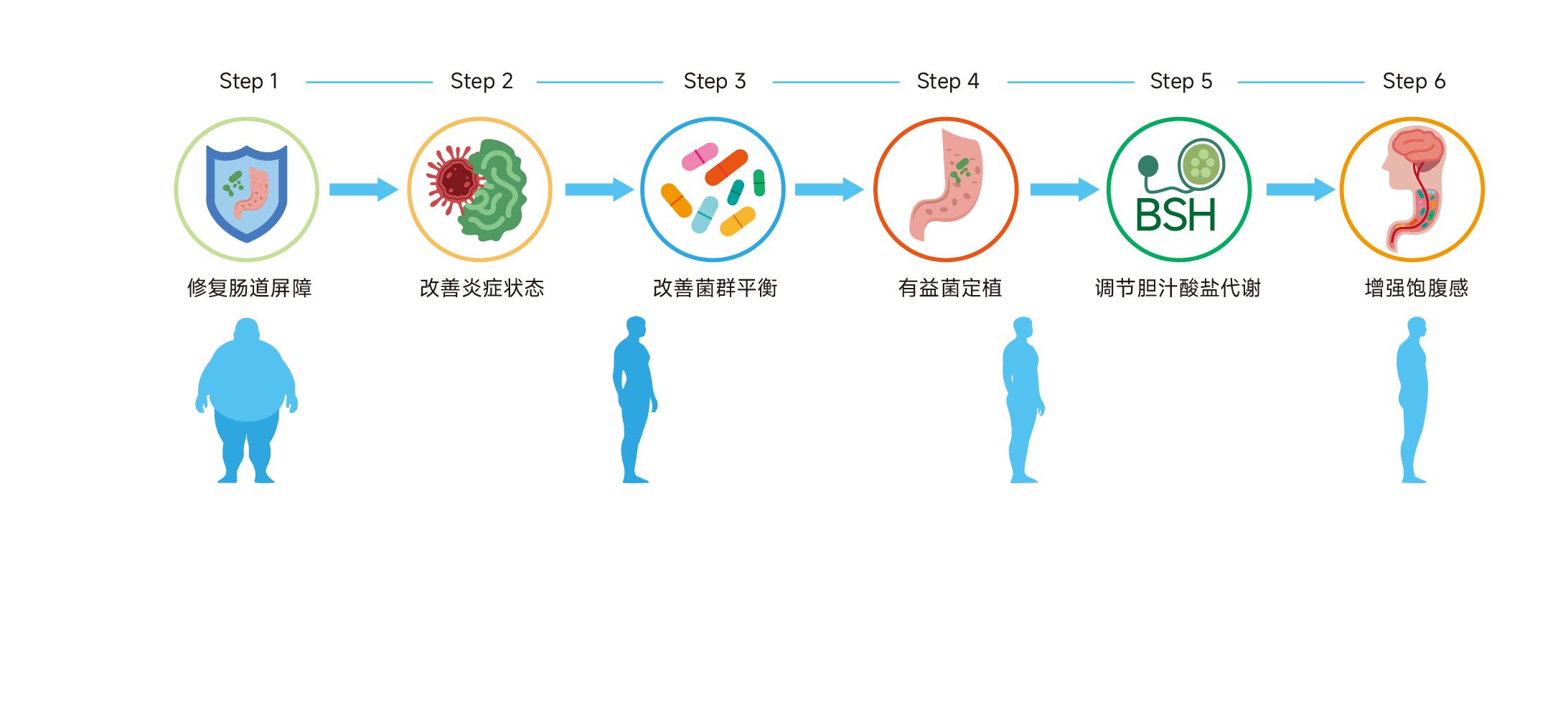
Figure 4 Scientific Timeline for Implementation of Targeted Microbiota Weight Management Method
3.4 Precision Targeted Intervention Strategies Based on Obesity Phenotypes
3.4.1 Universal Baseline Intervention (Weeks 1-2 for All Phenotypes)
Core mechanism: Restore intestinal barrier integrity and reduce metabolic endotoxemia.
Recommended strain combination:
1) Lacticaseibacillus rhamnosus GOLDGUT-M520: Significantly increases tight junction proteins ZO-1 and Occludin expression, enhances NK cell activity, and elevates sIgA levels.
2) Limosilactobacillus reuteri GOLDGUT-LR99: Restores occludin and ZO-1 levels, reduces inflammatory factors such as TNF-α and IL-6.
3) Bifidobacterium animalis subsp. lactis BB-12: Competitively adheres to intestinal epithelium, produces acetic acid, and stimulates sIgA secretion. Expected outcomes: Significant reduction in intestinal permeability, decreased serum LPS levels, and improvement in inflammatory markers such as CRP and IL-6.
3.4.2 Targeted Intervention for "Brain Hunger Phenotype"
Core mechanism: Regulate the gut-brain axis, restore neurotransmitter balance (GABA, 5-HT), and alleviate neuroinflammation.
Recommended strain combination:
1) Limosilactobacillus reuteri GOLDGUT-LR99: Anti-inflammatory, promotes tryptophan conversion to 5-HT, and improves mood state.
2) Lacticaseibacillus rhamnosus GOLDGUT-M520: Produces GABA, regulates immunity, and protects the nervous system.
Expected outcomes:
1) Reduce frequency of emotional eating and improve anxiety and depressive symptoms.
2) Reduce cravings for high-calorie foods.
3) Restore satiety signaling through the vagus nerve pathway.
3.4.3 Targeted Intervention for "Emotional Hunger Type"
There is a complex bidirectional interaction among gut microbiota, emotions (such as depression and anxiety), and obesity. Gut dysbiosis triggers metabolic disorders and psychological abnormalities through immune inflammation, neurotransmitter, and endocrine pathways.
1) Mechanistic connections:
• Impact on obesity: Dysbiosis (such as increased Firmicutes ratio) enhances energy extraction and produces lipopolysaccharides that drive chronic inflammation, interfering with leptin expression and thermogenesis, promoting fat accumulation.
• Emotion regulation: Microbiota influence the synthesis of neurotransmitters such as serotonin and dopamine through the "gut-brain axis." Dysbiosis reduces hippocampal brain-derived neurotrophic factor (BDNF) levels and causes HPA axis (stress system) dysregulation due to reduced short-chain fatty acids (SCFAs), leading to elevated cortisol levels and triggering anxiety and depression.
2) Vicious cycle: Obesity and depression are often mutually causal. Hormonal imbalances caused by obesity alter microbiota structure, disrupt the intestinal barrier, and activate stress responses. This physiological feedback intertwines with psychological stress from weight stigma, exacerbating inflammation and anhedonia, making weight control more difficult.
3) Treatment prospects:
• Probiotics: Regulating microbiota balance can improve barrier function, modulate neurotransmitters, and alleviate stress and depression.
• Drug crossover: Weight-loss medications (such as GLP-1 agonists) can improve microbiota and reduce neuroinflammation; antidepressants also alter microbiota composition, affecting drug metabolism.
Summary: Gut microbiota is the core hub connecting metabolic and mental states. Maintaining gut balance has significant clinical value in preventing and treating obesity and emotional disorders.
3.4.4 Targeted Intervention for "Gastrointestinal Hunger Type"
Core mechanism: Promote short-chain fatty acid (SCFAs) production to stimulate intestinal L cells to secrete GLP-1 and PYY.
Recommended strain combination:
1) Bifidobacterium adolescentis FJSSZ23M10: High-efficiency production of SCFAs (butyrate, propionate), activates FFAR2/3, promotes GLP-1 secretion.
2) Lactobacillus rhamnosus D4-4 + Lactobacillus paracasei D3-5: Significantly increases intestinal butyrate production through cross-feeding mechanisms.
3) Exopolysaccharide-producing Bifidobacterium: EPS serves as a prebiotic utilized by other SCFA-producing bacteria, indirectly increasing SCFA levels.
Expected effects:
1) Postprandial satiety increased by 30-50%, with prolonged satiety duration.
2) Gastric emptying time restored to normal range (90-120 minutes).
3) Natural reduction in daily energy intake by 300-400 kcal.
3.4.5 Targeted intervention for "low metabolism type"
Core mechanism: Regulates bile acid metabolism, promotes energy expenditure and brown fat thermogenesis.
Recommended strain combination:
1) Lactobacillus acidophilus GOLDGUT-LA100: High BSH activity, hydrolyzes conjugated bile acids into free forms, promotes secondary bile acid generation.
2) Lactobacillus plantarum combination (CECT7527+CECT7528+CECT7529): Enhances BSH activity, lowers cholesterol, activates TGR5.
3) Akkermansia muciniphila (Akk bacterium): Activates brown fat thermogenesis, upregulates UCP-1 expression, increases energy expenditure.
Expected outcomes:
1) Basal metabolic rate increased by 5-10%.
2) Fat absorption efficiency reduced by 10-15%.
3) Total cholesterol decreased by 10-15%, LDL-C decreased by 15-20%, triglycerides decreased by 20-30%.
4) Waist circumference and body fat percentage significantly reduced.
PART 4 Conclusion and Outlook
Targeted microbiome weight management, as an innovative weight management strategy, is based on the deep association between gut microbiota and host metabolic health, breaking through the limitations of traditional weight loss approaches focused solely on "energy deficit."
Its core advantages include:
1) Precision: Emphasizes strain-specific probiotic efficacy, selecting specific strains for different metabolic pathways.
2) Systematic approach: Multi-target synergistic intervention, acting simultaneously on barrier repair, metabolic regulation, lipid absorption, inflammation improvement and appetite control, constructing a complete biological intervention network.
3) Sustainability: By rebuilding a healthy gut microecology, fundamentally changing the host's metabolic pattern to achieve long-term effects.
4) Safety: Natural probiotics with good biocompatibility, suitable for long-term application. With the deepening of precision medicine concepts and gut microecology research, targeted microbiome weight management is facing unprecedented development opportunities.
In the future, this method will shift from relatively broad application to truly individualized precision intervention, providing customized weight management solutions for different individuals through multi-omics technologies, AI-assisted analysis and more precise strain screening. We expect this innovative method to play an increasingly important role in the global obesity prevention and control system, making important contributions to human health.